Leaving a Hedge Uncut Versus Buying a Longer Blade
A longer blade can cover more hedge in each pass, but it won’t solve every trimming problem. Compare the hedge’s condition, trimming season, tool compatibility, and the reach you actually need before buying.
The quick decision
Wait to trim if the hedge is nesting, flowering and best pruned after bloom, or likely to be damaged by cutting at the wrong time. Consider a longer-blade trimmer if the hedge is ready for routine trimming and your main problem is covering a broad, accessible surface efficiently.
A longer blade does not give you more safe reach, increase the thickness of branches the trimmer can cut, or make an unsuitable pruning season appropriate. If the hedge is badly overgrown, has thick woody stems, or needs work high above the ground, a different pruning approach may be needed.
When leaving the hedge uncut makes sense
There may be an active bird nest. Check the hedge before work. If you find an active nest, delay trimming that area and follow local wildlife rules.
The plant is near a flowering or growth milestone. Pruning timing varies by species. For flowering hedges, cutting before bloom may remove flowers; check guidance for the specific plant before trimming.
The hedge is stressed or conditions are harsh. Heat, drought, or other stress can make heavy pruning a poor choice. Delay substantial work until conditions are suitable for the plant.
The hedge needs more than a light trim. If it has grown into thick, woody branches, a standard hedge trimmer may not be the right tool. Use an appropriate pruning tool or consult a qualified arborist or gardener for major renovation.
Waiting is not always the best long-term plan: neglected growth can become harder to shape and may require more substantial pruning. If you’re unsure, identify the hedge species and check its pruning schedule before cutting.
A trimmer designed with a longer blade for broad hedge faces
Product prices and availability are accurate as of the date/time indicated and are subject to change. Any price and availability information displayed on Amazon.com at the time of purchase will apply to the purchase of this product.
When a longer blade is worth considering
A longer blade may help when you’re regularly trimming a long, wide hedge face and the current blade requires too many passes. It can cover more area per sweep, but the advantage depends on your control, the hedge’s shape, and the trimmer’s design.
Before buying, check:
Actual cutting length: Overall tool length and usable blade length are not necessarily the same.
Weight and balance: A longer blade can make the tool harder to control, especially at arm’s length or overhead.
Cutting capacity: Tooth spacing and the manufacturer’s stated cutting capacity matter for branch thickness. Blade length alone doesn’t mean it can cut thicker stems.
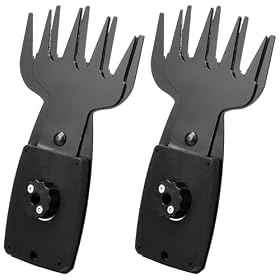
Compatibility: Many hedge trimmers do not accept a different-length replacement blade. Confirm that the manufacturer lists the blade as compatible with your exact tool; otherwise, you may need a different trimmer.
A compatible replacement blade when the existing trimmer supports another blade length
Product prices and availability are accurate as of the date/time indicated and are subject to change. Any price and availability information displayed on Amazon.com at the time of purchase will apply to the purchase of this product.
When neither choice solves the problem
If the issue is that the top or far side of the hedge is out of safe reach, a longer blade is not a substitute for reach. Don’t lean from a ladder or stretch beyond stable footing while operating a trimmer. Consider a suitable pole hedge trimmer or hire a professional for work that cannot be done safely from the ground.
If the hedge has thick stems, compare the branch diameter with the trimmer’s stated cutting capacity. Use loppers or another suitable pruning tool for branches the trimmer is not designed to cut. For a severely overgrown hedge, check whether the plant tolerates hard pruning before removing substantial growth.
A pole-style trimmer when the real need is safer reach
Product prices and availability are accurate as of the date/time indicated and are subject to change. Any price and availability information displayed on Amazon.com at the time of purchase will apply to the purchase of this product.
Make the choice
Choose waiting when timing, plant health, or nesting makes trimming inappropriate. Choose a longer-blade trimmer when the hedge is ready for routine maintenance, the current blade is limiting coverage, and a longer tool remains controllable. Choose a different tool or professional help when you need greater reach, thicker-branch cutting, or major hedge renovation.
FAQ
Does a longer hedge trimmer blade cut thicker branches?
Not necessarily. Branch capacity depends on the trimmer’s design and cutting capacity, including factors such as tooth spacing. Check the manufacturer’s specifications; blade length by itself does not indicate the maximum branch thickness.
Can I put a longer blade on my existing hedge trimmer?
Only if the manufacturer lists a longer blade as compatible with your exact trimmer. Many models do not have interchangeable blade lengths, so verify compatibility before buying.
Is a longer blade better for trimming the top of a tall hedge?
It may cover more area, but it does not necessarily give you safer reach or better control. For high work, consider a suitable pole hedge trimmer or professional service, and follow the tool manufacturer’s safety instructions.
Should I leave a hedge uncut if I find a bird nest?
If the nest is active, delay trimming that area and follow local wildlife guidance. Check the hedge before work because nests can be difficult to see from outside.