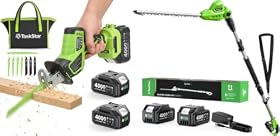
The best hedge trimmer for a suburban hedge is usually a cordless model with enough tooth spacing for the branches you actually cut, a manageable weight, and a blade length suited to the hedge’s height and width.
Best hedge trimmer for a suburban hedge
For most suburban hedges, the best choice is a cordless hedge trimmer with a moderate-length blade, comfortable handling, and enough tooth spacing for the hedge’s typical branch thickness. Cordless models avoid extension cords and are usually easier to maneuver around gates, shrubs, and garden beds. A corded trimmer can make sense for a small hedge near an outlet, while a gas model is generally more useful for large properties or prolonged heavy cutting.
The right choice depends less on the biggest motor or longest blade than on your hedge’s size, branch thickness, height, and trimming frequency.
What to look for
Blade length
Blade length affects how much hedge you can cut in one pass and how easy the tool is to control.
Around 16 to 20 inches: Easier to handle for small hedges, detailed shaping, and occasional trimming.
Around 20 to 24 inches: A practical middle ground for many suburban hedges.
Longer than 24 inches: Covers more area per pass but may feel heavier and be harder to control around corners or narrow spaces.
A longer blade is not automatically better. If the hedge is short or irregularly shaped, a shorter blade may help you make cleaner, more controlled cuts.
Tooth gap
Tooth gap indicates the approximate branch thickness the blade is designed to handle. Check the manufacturer’s stated cutting capacity rather than assuming that a powerful-looking trimmer can cut every branch.
For routine hedge maintenance, a moderate tooth gap is often sufficient. If the hedge has mature woody stems, select a model rated for those branches or use loppers or a pruning saw for larger cuts. Do not force a hedge trimmer through branches that exceed its stated capacity.
Power source
Cordless battery
Cordless hedge trimmers are often the most convenient option for suburban yards. They start immediately, produce no direct exhaust, and are easier to carry around a hedge than a corded tool.
Check these details before buying:
Whether the battery and charger are included
Battery voltage and compatibility with other tools in the same platform
Claimed runtime and whether it applies to light or heavy cutting
Replacement battery availability
Total weight with the battery installed
A spare battery can be more useful than choosing a larger, heavier trimmer if you maintain several hedges in one session.
Corded electric
A corded trimmer can be a sensible low-maintenance choice for a small hedge close to a suitable outdoor outlet. It provides continuous operation without recharging, but the cord can snag on branches or be accidentally cut.
Use only an outdoor-rated extension cord and follow the tool manufacturer’s instructions. Keep the cord behind you and inspect it before use. A corded model is less convenient when the hedge is spread across a large yard or separated by gates and walkways.
Gas
Gas hedge trimmers can suit extensive hedges and longer work sessions, but they are typically heavier and require fuel, maintenance, and engine starting. For ordinary suburban hedge shaping, they are often more machine than necessary unless cordless runtime is inadequate or the property has a large amount of dense growth.
Features that matter in a suburban yard
Weight and balance
A hedge trimmer may feel manageable for a few minutes but tiring during a complete hedge. Look at the stated weight with the battery or fuel installed when that information is available.
A rotating rear handle, front hand guard, and well-positioned controls can make vertical and horizontal cutting more comfortable. If possible, prioritize a tool you can hold steadily without stretching your wrists or leaning into the hedge.
Anti-vibration design
Reduced vibration can make repeated trimming more comfortable, especially when shaping multiple shrubs. It does not replace good technique: keep both hands on the tool, avoid overreaching, and take breaks when your grip or arms become fatigued.
Blade protection and storage
A blade sheath helps protect the cutting teeth during storage and transport. If a sheath is not included, choose a compatible replacement rather than leaving the blade exposed in a shed or vehicle.
Safety switch and hand guard
A hand guard helps protect the forward hand from the cutting blade and debris. A two-step or two-handed activation system can reduce accidental starts. These features are useful, but they do not make it safe to bypass the guard or operate the tool with one hand.
Adjustable or articulating heads
An adjustable head can help when trimming the top of a hedge from the ground. It adds versatility, but it may also add weight at the front of the tool. For tall hedges, a dedicated pole hedge trimmer may provide better reach than holding a standard trimmer overhead.
Cordless hedge trimmers for routine suburban hedge maintenance
Product prices and availability are accurate as of the date/time indicated and are subject to change. Any price and availability information displayed on Amazon.com at the time of purchase will apply to the purchase of this product.
Choosing by hedge type
Small, regularly maintained hedge
Choose a lighter cordless or corded model with a shorter-to-medium blade. A smaller tool is usually easier to control for shaping and may be sufficient if branches remain relatively thin.
Medium suburban privacy hedge
A cordless trimmer with a medium-length blade and a tooth gap matched to the hedge’s woody growth is a strong all-purpose configuration. Pay close attention to battery availability and balance because this type of hedge can require sustained work.
Tall or wide hedge
Consider a longer blade, an articulating head, or a pole hedge trimmer depending on the hedge’s shape. Do not rely on an unstable ladder while operating a powered cutting tool. If the hedge requires significant overhead work, professional trimming may be safer.
Overgrown hedge with thick branches
A hedge trimmer is primarily a maintenance tool, not a replacement for a chainsaw or pruning saw. Remove oversized branches with the appropriate hand or powered pruning tool, following its instructions, then use the hedge trimmer for shaping the smaller growth.
Replacement batteries for compatible cordless hedge trimmers
Product prices and availability are accurate as of the date/time indicated and are subject to change. Any price and availability information displayed on Amazon.com at the time of purchase will apply to the purchase of this product.
Cordless runtime: what to expect
Runtime varies with battery capacity, branch thickness, blade condition, hedge density, and how continuously the trigger is used. Manufacturer runtime figures may be measured under particular conditions, so treat them as guidance rather than a guaranteed work time.
For occasional maintenance, one included battery may be adequate. For long hedges or infrequent trimming that allows growth to become dense, buying into a battery platform with affordable replacement batteries can be more important than choosing the highest advertised voltage.
Product prices and availability are accurate as of the date/time indicated and are subject to change. Any price and availability information displayed on Amazon.com at the time of purchase will apply to the purchase of this product.
How to use a hedge trimmer safely
Read the manufacturer’s instructions before operating the tool.
Wear eye protection, hearing protection where appropriate, sturdy footwear, and gloves suitable for the work.
Inspect the hedge for wire, fencing, stones, toys, and other hidden objects.
Keep people and pets away from the work area.
Hold the trimmer with both hands and keep the blade away from your body.
Do not cut above a stable, comfortable working position.
Stop the tool and disconnect the battery, unplug the cord, or shut off the engine before clearing a jam.
Never touch the teeth while the tool is connected to its power source.
Avoid wet conditions unless the manufacturer specifically permits operation.
If the blade strikes a hidden metal object, stop immediately and inspect the tool for bent teeth, cracks, loose parts, or abnormal noise before continuing.
Product prices and availability are accurate as of the date/time indicated and are subject to change. Any price and availability information displayed on Amazon.com at the time of purchase will apply to the purchase of this product.
Maintenance that affects cutting performance
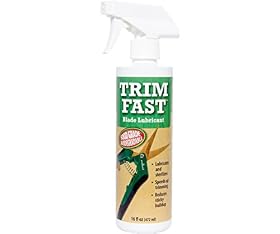
Clean plant debris from the blade after use, following the manufacturer’s instructions. Apply the specified blade lubricant when required, and keep the teeth sharp or have them serviced when cutting becomes slow or uneven.
Before each session, check that:
The blade fasteners are secure
The hand guard is intact
The battery, cord, or fuel system shows no damage
The trigger and safety controls operate normally
The blade moves freely without unusual grinding or wobbling
Use only replacement blades, batteries, chargers, and other parts approved for the specific tool. If the blade is bent or the motor makes a burning smell, repeated electrical trips, or severe mechanical noise, stop using the trimmer and contact the manufacturer or a qualified repair professional.
Bottom line
For most suburban hedges, prioritize a manageable cordless hedge trimmer with a medium-length blade, a tooth gap suited to the hedge’s branches, and a battery system you can support with replacement batteries. Choose corded power for a small hedge near an outlet, gas power for unusually demanding work, and a pole or articulating model when safe ground-level reach is the main problem. The best hedge trimmer is the one that matches the hedge rather than simply having the longest blade or highest power rating.
FAQ
What blade length is best for a suburban hedge?
A blade around 20 to 24 inches is a practical choice for many medium suburban hedges. Smaller hedges may be easier to shape with a 16- to 20-inch blade, while longer blades cover more area but can be heavier and less precise.
Is a cordless hedge trimmer powerful enough for a suburban hedge?
Usually, yes, provided the tooth gap and cutting capacity match the hedge’s branches. Cordless models are convenient for most routine maintenance, but very thick woody branches may require loppers or a pruning saw first.
Should I buy a corded or cordless hedge trimmer?
Choose cordless for easier movement around most yards and corded for a small hedge close to a suitable outdoor outlet where unlimited runtime is more useful than portability.
Can a hedge trimmer cut thick branches?
Only within the cutting capacity specified by its manufacturer. Branches that exceed that limit should be removed with an appropriate pruning tool rather than forced into the hedge trimmer.
Do I need a pole hedge trimmer for a tall hedge?
A pole or articulating hedge trimmer can help you reach the top from the ground, but it may be heavier and less balanced. If the hedge requires unstable overhead work or ladder use, hiring a qualified professional is the safer option.