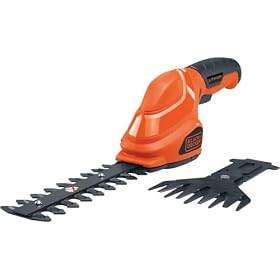
A handheld hedge trimmer is usually the better choice for precise shaping and close control, while a pole hedge trimmer makes tall or wide hedges easier to reach from the ground. The right option depends on hedge height, branch thickness, cutting position, and how much tool weight you can manage safely.
A handheld hedge trimmer is usually the better choice for shaping, side trimming, and dense sections that require precise control. A pole hedge trimmer is better for reaching the tops and backs of tall or wide hedges while keeping both feet on the ground. Choose based on the hedge’s height, branch thickness, blade reach, tool balance, and how long you can comfortably hold the trimmer.
Handheld versus pole hedge trimmer at a glance
Consideration
Handheld hedge trimmer
Pole hedge trimmer
Best use
Sides, low hedges, detailed shaping
Tall hedges, high tops, wide backs
Control
More direct and precise
Less precise because of the extended shaft
Reach
Limited to your standing height and arm reach
Greater reach from ground level
Weight and balance
Usually easier to maneuver close to the body
Can feel heavier because the weight is farther away
Cutting position
Comfortable at waist and chest height
Useful above shoulder height, but requires careful handling
Transport and storage
Generally simpler
Longer and may require more storage space
Typical tradeoff
Requires a ladder or other access for very tall growth
Slower or less convenient for detailed low trimming
Choose a handheld hedge trimmer when control matters most
A handheld model is the better fit for most low and medium-height hedges. It lets you keep the cutting head close to your body, which generally makes it easier to guide the blade along a straight line and make small corrections.
Choose handheld when you regularly need to:
Shape the front and sides of a hedge
Trim shrubs around walkways, patios, or fences
Cut at waist or chest height
Work around corners and irregular growth
Make precise passes rather than reach over a large area
Lift the tool only briefly at a time
A handheld trimmer can also be the more practical choice for thick or uneven sections because you can position the blade more deliberately. If the hedge is too tall to reach safely, however, a handheld model may tempt you to overextend, stand on an unstable surface, or use a ladder while holding a powered cutting tool. Those are signs that a pole trimmer or professional service may be safer.
Handheld trimmer for close shaping and side trimming
Product prices and availability are accurate as of the date/time indicated and are subject to change. Any price and availability information displayed on Amazon.com at the time of purchase will apply to the purchase of this product.
Choose a pole hedge trimmer when reach is the main problem
A pole hedge trimmer is designed to extend the cutting head above and away from you. That makes it useful for tall hedges, broad hedges, and the upper surfaces that are difficult to reach with a handheld tool.
Choose a pole model when you need to:
Trim a hedge top without climbing
Reach the far side of a wide hedge
Cut growth above shoulder height
Maintain tall privacy screens from ground level
Reduce the need to stretch or work from a ladder
A pole trimmer does not automatically make overhead work easy. The farther the head extends, the more leverage it creates against your arms and shoulders. A tool that feels manageable for a short cut may become tiring during a long pass. Look for a design that can be adjusted to the required reach rather than leaving the pole fully extended for every job.
Product prices and availability are accurate as of the date/time indicated and are subject to change. Any price and availability information displayed on Amazon.com at the time of purchase will apply to the purchase of this product.
The most important specifications to compare
Blade length
A longer blade can cover more hedge in a single pass, which may help on long, straight surfaces. It can also be harder to control around corners, narrow spaces, or uneven growth.
A shorter blade is generally easier to maneuver and may suit detailed shaping. It can require more passes on a large hedge. Compare blade length with the hedge’s shape, not just the largest available number.
Tooth gap and branch thickness
Tooth gap indicates the approximate size of branches the blade is designed to accommodate, but it is not a guarantee that every branch of that size will cut easily. Hard, dry, or awkwardly positioned branches may require more power or a different tool.
Before choosing, inspect the hedge for its thickest woody stems. If many branches exceed the trimmer’s stated cutting capacity, a lopper, pruning saw, or another suitable tool may be more appropriate. Do not force a hedge trimmer through material beyond the manufacturer’s limits.
Overall reach and adjustment range
For a pole trimmer, check the tool’s usable reach and how that reach is achieved. Some designs use an adjustable shaft, while others have a fixed or limited extension. A longer maximum reach is useful only if you can still control the head safely at that length.
An adjustable cutting head can make a pole trimmer more useful for both hedge tops and sides. More adjustment points may also mean more setup and more places to check for secure locking before use.
Weight and balance
Weight listed for a tool may not tell the entire story. Balance matters because a cutting head positioned far from your hands can feel substantially more tiring than the same weight held close to your body.
For a pole trimmer, pay attention to:
Total tool weight
Battery or engine position
Shaft length
Shoulder strap compatibility
Handle placement
Whether the cutting head can be angled for the intended surface
If you have limited shoulder strength or need to trim for long periods, a lighter and shorter setup may be more useful than maximum reach.
Power source
Cordless, corded electric, and gas-powered trimmers each affect how you plan the job.
Cordless models: Convenient for moving around a hedge and generally quieter than gas models, but runtime depends on the battery, workload, and tool system. A spare compatible battery may be useful for larger properties.
Corded models: Provide continuous power but require a suitable outdoor-rated extension cord, ground-fault protection where required, and careful cord management. Keep the cord away from the blade at all times.
Gas models: Can provide extended operation without a power cord or battery charging, but they require fuel, ventilation, maintenance, and more attention to starting and handling procedures.
Use the power source that fits the hedge size and your storage, charging, and maintenance preferences. Follow the manufacturer’s instructions for outdoor electrical use, fuel, batteries, and extension cords.
Product prices and availability are accurate as of the date/time indicated and are subject to change. Any price and availability information displayed on Amazon.com at the time of purchase will apply to the purchase of this product.
Which is better for tall hedges?
For a tall hedge, a pole hedge trimmer is generally the more suitable option because it can reach the upper growth from ground level. It is still important to keep the blade within a position you can control and to avoid cutting directly above yourself when possible.
A handheld trimmer may work for a tall hedge if the upper portion is accessible from a safe, stable working position, but using a ladder while operating a powered cutting tool introduces additional balance and control risks. If the hedge requires extensive ladder work, consider hiring a qualified professional.
Which is better for thick hedges?
Neither handheld nor pole design alone determines whether a trimmer can handle thick growth. Check the blade’s tooth gap, the manufacturer’s stated cutting capacity, the tool’s power source, and the actual diameter and hardness of the branches.
A handheld model is often easier to position against thick sections because it provides closer control. A pole model may reach difficult areas but can be harder to hold steady when the blade encounters resistance. For large woody branches, use a pruning tool designed for that material instead of repeatedly forcing the hedge trimmer.
Which is easier to use for long sessions?
That depends on the hedge and the operator. A pole trimmer can reduce bending and climbing, but its extended length may increase shoulder and arm fatigue. A handheld trimmer usually offers better balance close to the body, but it may require more reaching, repositioning, or access to the hedge.
To reduce fatigue:
Use the shortest reach that safely covers the work.
Keep both hands on the handles as directed by the manufacturer.
Take breaks before your grip or posture deteriorates.
Avoid holding the blade above shoulder height for longer than necessary.
Stop if vibration, balance, or control becomes difficult.
Can one tool replace the other?
Sometimes, but not always. A pole hedge trimmer can handle many side and top-trimming jobs, especially if its head angle is adjustable. It may be inconvenient for close shaping, low shrubs, narrow gaps, or detailed work.
A handheld trimmer can maintain the sides of a moderately tall hedge, but it is not a good substitute for safe reach on a high hedge. If you maintain different hedge types, using a handheld trimmer for close work and a pole trimmer for height may be more practical than expecting one tool to do everything.
Safety checks before trimming
Before starting either type of hedge trimmer:
Read the owner’s manual and use the recommended protective equipment.
Inspect the hedge for wire, fencing, stones, and other hidden objects.
Keep children, pets, and bystanders away from the work area.
Check that guards, handles, controls, and blade fasteners are secure.
For cordless models, remove the battery before clearing a jam or servicing the blade.
For corded models, use the required outdoor-rated cord and protection, and keep it behind you and away from the blade.
For gas models, refuel only as instructed and keep fuel away from ignition sources.
Shut the tool off before moving between sections or clearing debris.
Do not use a hedge trimmer in wet conditions unless the manufacturer specifically permits it. For any repair involving wiring, switches, motor components, or damaged electrical insulation, follow the manufacturer’s service guidance or use a qualified repair professional.
Bottom line
Choose a handheld hedge trimmer for control, shaping, low-to-medium hedges, and work close to your body. Choose a pole hedge trimmer for tall or wide hedges where extra reach can keep you on the ground. Compare blade length, tooth gap, total reach, adjustment range, weight, balance, and power source rather than choosing based on reach alone.
If your hedge contains branches beyond the trimmer’s cutting capacity, use an appropriate pruning tool or hire a professional. The safest tool is one you can control throughout the cut.
FAQ
Is a pole hedge trimmer better than a handheld hedge trimmer?
Neither is better for every job. A pole hedge trimmer is better for tall and wide hedges that are difficult to reach, while a handheld model usually provides better control for shaping, side trimming, and low hedges.
Can I use a handheld hedge trimmer on a tall hedge?
You can use one where the cutting area is safely within reach, but it should not require unstable footing, excessive stretching, or risky ladder work. A pole trimmer or professional service is usually more appropriate for upper growth that cannot be reached safely from the ground.
Are pole hedge trimmers harder to control?
They can be. The extended shaft increases leverage and may make the cutting head feel heavier or less precise, especially when fully extended. Use the shortest suitable reach and take breaks to avoid fatigue.
What blade length should I choose?
Choose a blade length that matches the hedge’s size and shape. Longer blades cover more area on straight surfaces, while shorter blades are generally easier to maneuver around corners and for detailed shaping. Also check tooth gap and the manufacturer’s cutting-capacity guidance.
Can a hedge trimmer cut thick branches?
Only within the cutting capacity specified by the manufacturer. Thick, hard, or woody branches may require loppers or a pruning saw. Do not force the blade through branches larger than the tool is designed to cut.