Corded electric for a hedge next to an outdoor outlet
A corded electric hedge trimmer can be a practical choice when your hedge is close to a safe outdoor outlet. Here is how to check reach, power, blade size, and outdoor electrical requirements before buying.
What do you need help with?
Open an answer, or tell us what we should cover next.
Answered in this guide
Choose a corded electric hedge trimmer for a hedge near an outlet
Corded electric is a good fit when the hedge is close to a suitable outdoor outlet and you want continuous power for long or frequent trimming sessions without charging or replacing batteries.
Match the trimmer to hedge thickness, height, and reach
Check the thickest stems you regularly cut, the hedge height, and the reach you need. Then match the trimmer’s cutting capacity, blade length, and handling to that work.
Use a suitable outdoor outlet protected by a GFCI, and choose an extension cord and route that provide enough reach without creating an electrical or cutting hazard.
Set up a corded hedge trimmer safely before cutting
Clear people, pets, toys, stones, and loose branches from the area. Plan the cord route on the side opposite the blade and use the trimmer’s controls and cord retention features carefully.
Compare corded electric and battery hedge trimmers
Corded electric suits long or frequent sessions near a usable outlet because it provides continuous power. Battery models avoid cord management and work better where outlet access or cord routing is difficult.
Request a topic and help us choose what to build next.
Compare gas and cordless hedge trimmers for a distant hedge
Install or upgrade an outdoor GFCI outlet
Fix a hedge trimmer that will not start or keeps cutting out
Choose a safe cord length and wire gauge for a long yard
Requests help us prioritize the next guide. No email required.
One anonymous request per topic.
Corded electric for a hedge next to an outdoor outlet
If your hedge is close to an outdoor outlet, a corded electric hedge trimmer can provide steady power without charging batteries or mixing fuel. It is usually a good fit for routine trimming of small to medium residential hedges, provided the outlet, extension cord, and trimmer are suitable for outdoor use.
The main tradeoff is that you must manage a power cord while working. Before buying, check the distance to the hedge, the thickness of the branches, the trimmer's blade length and tooth spacing, and whether your outdoor circuit has appropriate ground-fault protection.
When a corded electric hedge trimmer makes sense
Choose corded electric power when:
The hedge is within practical reach of an outdoor outlet.
You expect to trim for longer than a typical battery charge allows.
You want a relatively simple tool with no fuel mixing or battery charging.
The hedge consists mostly of current-season growth and branches within the tool's stated cutting capacity.
You can keep the cord behind you and away from the blade throughout the job.
A corded model is less convenient if the hedge extends around corners, is separated from the outlet by gates or landscaping, or requires work from a ladder. For those situations, a battery model may be easier to maneuver even if it costs more initially.
Check the hedge before choosing the trimmer
Measure branch thickness
Look at the oldest or thickest stems you regularly need to cut. Hedge trimmer specifications commonly include a maximum cutting capacity or tooth gap, but that figure is not a promise that every thick, hard, or dry branch will cut easily.
For light maintenance, a smaller cutting capacity may be adequate. For mature shrubs with woody stems, choose a model whose stated capacity comfortably exceeds the branches you plan to trim. Do not force the tool through branches that exceed the manufacturer's limit; use hand pruners or loppers for those cuts.
Consider hedge height and reach
A longer blade can cover more hedge with each pass, but it can also feel heavier and be harder to control. A shorter blade is often easier to handle around corners and small shrubs.
If the hedge is tall, avoid using a standard hedge trimmer from an unstable ladder. A pole hedge trimmer or professional assistance may be safer. Keep both feet on a stable surface and follow the manufacturer's instructions for the tool's operating position.
Match the blade to the work
Blade length affects coverage, balance, and maneuverability. Tooth spacing affects the size of stems the blade can engage. More aggressive cutting specifications are not automatically better for a small, soft-stemmed hedge; they may add weight and make fine shaping less convenient.
Look for a blade that is long enough for efficient passes but still comfortable to hold at the angles you need.
Product prices and availability are accurate as of the date/time indicated and are subject to change. Any price and availability information displayed on Amazon.com at the time of purchase will apply to the purchase of this product.
Check the outlet and extension cord
Use an outlet intended for outdoor use and protected by a ground-fault circuit interrupter, commonly called a GFCI. A GFCI can reduce shock risk by interrupting power when it detects an electrical imbalance, but it does not make a damaged cord or wet tool safe.
If an extension cord is needed:
Confirm that the hedge trimmer's instructions permit an extension cord.
Use a cord marked for outdoor use and rated for the tool's electrical load.
Choose the wire gauge and maximum length according to the trimmer and extension-cord manufacturer's guidance.
Inspect the cord for cuts, crushed sections, exposed conductors, or damaged plugs before every use.
Keep plug connections off wet ground and protected from rain.
Do not connect multiple extension cords to gain extra reach unless the manufacturer specifically permits it.
A cord that is too long or too light for the tool can cause voltage drop, reduced performance, heat buildup, or nuisance breaker trips. If you are unsure whether an existing outlet or circuit is suitable, ask a qualified electrician rather than modifying the wiring yourself.
Product prices and availability are accurate as of the date/time indicated and are subject to change. Any price and availability information displayed on Amazon.com at the time of purchase will apply to the purchase of this product.
Features worth prioritizing
Cord retention
A cord-retention hook or similar strain-relief feature helps prevent the extension cord from pulling out of the trimmer. It does not prevent the cord from being cut, so maintain a deliberate cord-management routine while trimming.
Two-handed controls
Many hedge trimmers require both hands to operate. This is a useful safety feature because it helps keep your hands positioned away from the cutting area. Never bypass a safety switch or hold one control down with tape or another object.
Weight and balance
Compare the tool's weight and handle layout with the positions you will actually use: waist-height trimming, shoulder-height work, and shaping the top of the hedge. A lighter trimmer is not always the best choice if it lacks the cutting capacity you need, but excessive weight can make accurate trimming and safe control difficult.
Rotating or adjustable rear handle
An adjustable handle can make vertical and horizontal cuts more comfortable. Check that the adjustment locks securely and that it does not interfere with cord placement.
Blade guard and sheath
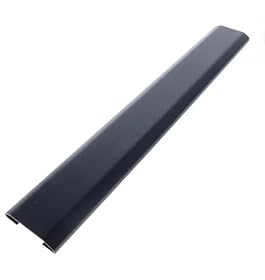
A blade sheath protects the teeth during storage and transport. Use it whenever the trimmer is unplugged and not actively in use. A blade guard does not replace safe handling; disconnect power before clearing material, inspecting the blade, or performing maintenance.
Product prices and availability are accurate as of the date/time indicated and are subject to change. Any price and availability information displayed on Amazon.com at the time of purchase will apply to the purchase of this product.
A safe setup for trimming near an outlet
Before starting, clear the work area of children, pets, toys, stones, and loose branches. Identify where the cord will run and keep it on the side opposite the cutting blade whenever possible.
Use a simple cord-management pattern:
Plug the trimmer into the extension cord only after the trimmer is switched off.
Keep the cord behind you as you move along the hedge.
Work away from the outlet rather than repeatedly crossing the cord.
Unplug the tool before moving to a new area if the cord could cross the blade path.
Stop immediately if the cord becomes trapped, cut, hot, or damaged.
Do not operate the trimmer in rain or when the hedge is wet unless the manufacturer expressly says the tool is designed for those conditions. Most corded electric tools should be kept dry, and a GFCI is not permission to use an incompatible tool in wet weather.
Product prices and availability are accurate as of the date/time indicated and are subject to change. Any price and availability information displayed on Amazon.com at the time of purchase will apply to the purchase of this product.
Corded electric versus battery power
Corded electric is usually the better fit when the hedge is near one usable outlet and trimming sessions are long or frequent. It delivers continuous power and avoids battery replacement, but the cord limits movement and introduces a cut-cord hazard.
Battery power is more convenient around corners, detached hedges, and larger yards. It eliminates the trailing cord but adds battery and charger compatibility considerations. Runtime depends on the battery, tool load, hedge density, temperature, and the condition of the battery.
For a hedge directly beside an outlet, corded electric is often the simpler choice if you can maintain safe cord control. For a hedge that is technically near an outlet but requires the cord to cross a walkway, gate, driveway, or the blade's path, the convenience advantage may disappear.
What to buy for this use case
Prioritize these specifications in order:
Outdoor electrical compatibility: Confirm the trimmer and cord setup are approved for your intended use.
Cutting capacity: Match the stated capacity to the thickest branches you need to trim.
Blade length: Choose enough coverage without making the tool difficult to control.
Weight and balance: Consider the height and angles of your hedge.
Cord management: Look for practical strain relief and plan the cord route before cutting.
Service parts: Check whether replacement blades, sheaths, or other manufacturer-approved parts are available.
Avoid choosing solely by motor power or blade length. A larger tool can be tiring for routine shaping, while an undersized tool may struggle with mature woody growth.
When a different tool is the better choice
A corded hedge trimmer may not be appropriate if:
The hedge is too far from a suitable outdoor outlet.
The required extension cord would be unusually long or difficult to route safely.
You need to work around obstacles where the cord could enter the blade path.
The hedge has many branches beyond the trimmer's cutting capacity.
The hedge is tall enough that trimming would require an unstable ladder.
Use hand pruners or loppers for individual thick stems, and consider a pole tool or qualified landscaper for high hedges. If the circuit repeatedly trips, the plug or cord gets hot, or the tool makes unusual electrical or mechanical noises, stop using it. Have the setup inspected or replace the tool if the manufacturer does not provide a safe remedy.
Maintenance after trimming
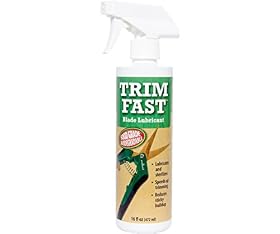
Unplug the trimmer before cleaning or servicing it. Remove plant debris with a suitable brush or cloth, inspect the teeth and housing, and apply only the blade lubricant recommended by the manufacturer. Do not spray lubricant onto a connected electrical tool or allow liquid into the motor housing.
Store the trimmer dry with the blade sheath fitted. Coil the extension cord loosely rather than wrapping it tightly around the tool, and replace any cord or accessory that shows damage.
FAQ
Is a corded electric hedge trimmer good for a hedge next to an outdoor outlet?
Yes, if the outlet is suitable for outdoor use, has appropriate GFCI protection, and the cord can remain behind you and away from the blade. Corded power is especially practical for longer trimming sessions near one outlet.
Can I use any extension cord with a corded hedge trimmer?
No. Use an outdoor-rated extension cord with the wire gauge and length permitted by the hedge trimmer and cord manufacturers. An undersized or damaged cord can overheat, reduce performance, or create a shock and fire hazard.
What blade length should I choose for a residential hedge?
Choose a blade long enough to cover the hedge efficiently but short and light enough for comfortable control. A longer blade provides more coverage, while a shorter blade is often easier around corners and small shrubs.
Can a hedge trimmer cut thick branches?
Only within the cutting capacity stated by the manufacturer. Use hand pruners or loppers for branches that exceed that limit, and do not force the trimmer through large woody stems.