Hedge trimmer for a rental property you visit monthly
For a rental property visited only once a month, choose a hedge trimmer that starts reliably after storage, handles the hedge’s growth, and does not create unnecessary maintenance. A cordless model is often the most convenient choice, but the right option depends on hedge size, outlet access, and how overgrown the property may be.
A cordless hedge trimmer is usually the most practical choice for a rental property you visit monthly because it avoids fuel storage, starts with the push of a button, and works where there may be no convenient outdoor outlet. Choose a model with enough blade capacity for the hedge’s typical growth, then store the battery and trimmer correctly between visits.
If the property has very large, woody, or badly overgrown hedges, a gas trimmer or a heavier-duty cordless model may be more suitable. For a small hedge near an accessible outlet, a corded trimmer can cost less, but managing the extension cord may be inconvenient during short maintenance visits.
What matters most for monthly property visits
Reliable startup after storage
A rental-property tool may sit unused for weeks. That makes startup reliability and simple storage more important than maximum cutting power.
A cordless trimmer avoids several storage issues associated with gas equipment, including stale fuel, fuel-system maintenance, and seasonal starting problems. Store the battery indoors in a dry location according to its manufacturer’s instructions rather than leaving it in a hot vehicle or an unprotected shed.
A corded trimmer can also start reliably after storage, but you need a suitable outdoor-rated extension cord and a safe outlet. A gas trimmer can handle demanding work, but it requires more preparation and maintenance between visits.
Battery capacity and charging
For occasional visits, battery capacity should match the amount of hedge you normally trim—not an unusually long job caused by months of skipped maintenance. Check the manufacturer’s stated runtime and consider that dense, woody growth can use more energy than light shaping.
If the property has several hedges or you sometimes arrive to find heavy overgrowth, a second compatible battery may be more useful than choosing a larger or heavier trimmer. Charge batteries before the visit, but follow the manufacturer’s storage and charging guidance between visits.
Do not buy into a battery platform solely because of the trimmer. Check whether replacement batteries are still readily available and whether other compatible outdoor tools could share them.
Blade length
A longer blade can cover more hedge with each pass, which may reduce cutting time on long, straight sections. However, it can be heavier and less maneuverable around corners, gates, shrubs, and narrow spaces.
A shorter blade is generally easier to control for small residential hedges and detailed shaping. For a rental property, choose based on the hedge’s total length and accessibility rather than selecting the longest blade available.
Tooth spacing and branch thickness
Blade tooth spacing affects the size of branches the trimmer is designed to cut. Compare the manufacturer’s stated maximum cutting capacity with the thickest growth you expect to encounter.
Do not rely on a hedge trimmer to cut old, woody branches beyond its stated capacity. Use hand pruners, loppers, or a suitable pruning saw where appropriate. For a property that may go several months between visits, select a trimmer with enough capacity for the hedge’s likely growth, but do not use that specification as permission to force the blade through oversized branches.
Which power source fits the property?
Cordless: the easiest general-purpose choice
Choose cordless when you want quick setup, quiet operation, and no fuel or extension cord. It is especially useful when the rental property has no dependable outdoor outlet or when you need to move around multiple sides of the building.
Before buying, verify:
Battery and charger are included or available separately.
Replacement batteries can still be purchased.
The runtime is adequate for the hedge area.
The tool’s weight is manageable for the expected work.
The charger can be used safely with the electrical supply available at your home.
Corded: suitable for short jobs near an outlet
A corded trimmer can make sense for a small property where an outdoor outlet is close to the hedge. It avoids battery charging and fuel maintenance, but the cord can limit reach and create a cutting hazard.
Use only an extension cord and outdoor connection arrangement permitted by the manufacturer. Keep the cord behind you and away from the blade, and use appropriate ground-fault protection where required by local electrical rules. Never defeat a safety device or use damaged cords.
Gas: useful for demanding or remote work
Gas equipment may be appropriate when the property has extensive hedges, very dense growth, no usable electricity, or long jobs that exceed practical battery runtime. The tradeoffs are greater noise, exhaust, fuel handling, vibration, and maintenance.
For a property visited monthly, gas is less convenient if you do not want to maintain fuel or troubleshoot a difficult start. Follow the manufacturer’s fuel, storage, and seasonal-maintenance instructions exactly.
Cordless hedge trimmer for occasional property maintenance
Product prices and availability are accurate as of the date/time indicated and are subject to change. Any price and availability information displayed on Amazon.com at the time of purchase will apply to the purchase of this product.
Features worth paying for
Prioritize features that reduce hassle during short maintenance visits:
A hand guard and blade brake: These help reduce risk when you release the control, but they do not replace safe handling.
A comfortable front handle: Multiple grip positions can make side and top trimming easier.
A manageable weight: Remember that the tool becomes more tiring when held above shoulder height.
A blade sheath: Use it during transport and storage to protect the blade and prevent accidental contact.
A battery indicator: This helps you decide whether to charge or bring a spare battery before driving to the property.
Simple access to replacement parts: Blades, guards, batteries, and chargers can matter more over several years than small differences in advertised cutting speed.
A pole extension or long-reach design may help with taller hedges, but it can add weight and make the cutting head harder to control. If the hedge requires climbing or awkward overhead work, hire a qualified professional rather than stretching from a ladder while operating the trimmer.
Product prices and availability are accurate as of the date/time indicated and are subject to change. Any price and availability information displayed on Amazon.com at the time of purchase will apply to the purchase of this product.
A practical monthly maintenance routine
Before leaving for the property:
Charge the battery or check the fuel and starting procedure according to the manual.
Inspect the blade, guard, housing, handles, and controls.
Bring eye protection, hearing protection when appropriate, gloves, a blade sheath, and a compatible charger or spare battery.
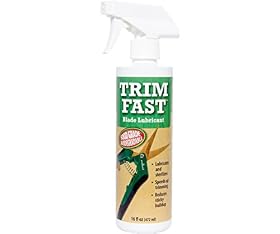
Pack the correct lubricant if the manufacturer specifies routine blade lubrication.
At the property:
Walk around the hedge and look for wire, fencing, stones, thick branches, and wildlife before starting.
Confirm that bystanders and pets are away from the work area.
Trim only within the tool’s rated capacity, allowing the blade to do the work rather than forcing it.
Stop the motor, disconnect the battery or power source, and wait for moving parts to stop before clearing a jam.
Clean plant debris from the tool, inspect for damage, and apply blade lubricant only as directed.
If the hedge has become substantially overgrown, do not force a light-duty trimmer through it. Remove larger branches with an appropriate pruning tool or arrange professional trimming, then use the hedge trimmer for routine shaping during future visits.
Product prices and availability are accurate as of the date/time indicated and are subject to change. Any price and availability information displayed on Amazon.com at the time of purchase will apply to the purchase of this product.
Storage between visits
Clean and dry the trimmer before storage. Fit the blade sheath, keep the tool away from moisture, and store it where tenants, children, and unauthorized users cannot access it.
For cordless equipment, store the battery in the environment recommended by the manufacturer and avoid leaving it connected to the tool or charger indefinitely unless the instructions specifically allow that arrangement. For gas equipment, follow the manufacturer’s instructions for fuel stabilization, draining, and storage.
Keep a simple note of the last service visit and any developing issue. A small problem—such as a loose fastener, damaged guard, dull blade, or battery that no longer holds a charge—is easier to address before the next rental-property visit.
Product prices and availability are accurate as of the date/time indicated and are subject to change. Any price and availability information displayed on Amazon.com at the time of purchase will apply to the purchase of this product.
Bottom line
For most rental properties visited monthly, select a cordless hedge trimmer with a replaceable battery, a blade length suited to the hedge’s size, and tooth spacing that matches its normal branch thickness. Bring a spare battery if the work area is large or visits are unpredictable. Choose corded power when the hedge is small and an appropriate outlet is nearby; choose gas only when the workload or location justifies the added maintenance.
If the trimmer’s guard, switch, battery housing, cord, fuel system, or blade is damaged, stop using it and follow the manufacturer’s repair guidance. Replace the tool when essential parts are unavailable or repair cost and downtime no longer make sense.
FAQ
Is a cordless hedge trimmer good for a rental property visited once a month?
Yes. Cordless models are often convenient because they start quickly, do not require fuel, and work without an outdoor outlet. Choose adequate battery capacity and confirm that replacement batteries are available.
What blade length should I choose for a rental-property hedge?
Choose a blade long enough to cover the hedge efficiently but light enough to control comfortably. Shorter blades suit small or detailed hedges, while longer blades can help with long, straight sections.
Can a hedge trimmer cut thick branches that grew during several months of neglect?
Only if the branches are within the manufacturer’s stated cutting capacity. Use loppers or a pruning saw for larger woody growth, and do not force the hedge trimmer through oversized branches.
Should I leave the hedge trimmer at the rental property?
Usually not unless it can be stored securely, dry, and away from unauthorized users. Keeping the trimmer and battery at your home can make maintenance and battery storage easier.