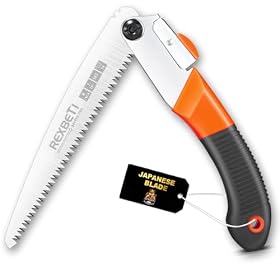
A woody, overgrown hedge may be beyond the practical limits of a light-duty trimmer. Match the tool’s blade gap and power to the branch thickness, and use loppers or a pruning saw for stems the trimmer is not designed to cut.
A neglected hedge that has gone woody needs more than a longer blade. The key buying decision is whether the trimmer is rated for the diameter of the stems you need to cut. Measure the thickest branches first, then choose a hedge trimmer with a suitable blade gap and enough power for repeated cuts. If the stems are too thick, use loppers or a pruning saw rather than forcing a trimmer through them.
Start by checking the hedge, not the trimmer
Inspect the hedge and identify three things:
The thickest stems: Measure or estimate the branches you actually need to remove.
The density of the growth: A lightly overgrown hedge is easier to restore than one filled with old, hard wood.
The amount of reshaping required: Light trimming and major reduction place very different demands on a tool.
A hedge trimmer is primarily intended for repeated cutting of relatively small branches and shoots. It is not a substitute for a chainsaw or pruning saw. If the hedge contains large, rigid limbs, remove those separately before using the trimmer for the smaller growth.
Blade gap is a crucial specification
Blade gap is the space between the cutting teeth. A larger gap generally allows the tool to accept thicker stems, but it does not guarantee that the motor has enough power to cut them efficiently. Check the manufacturer’s maximum cutting capacity and treat it as a limit, not a target for every cut.
For a hedge with mixed growth, select a trimmer whose rated capacity comfortably exceeds the smaller woody stems you expect to cut. Very thick branches should still be handled with a saw or loppers if the manufacturer does not approve the trimmer for that work.
Choose the power source for the job
Corded electric hedge trimmers
A corded model can provide consistent power for work near a suitable outdoor outlet. It may be a practical choice for a smaller hedge, but the cord limits movement and creates a cutting hazard. Use only an outdoor-rated extension cord and ground-fault protection as required by the manufacturer and local electrical guidance. Keep the cord behind you and away from the blade at all times.
A corded trimmer is less suitable when the hedge is distant from the building, spread across a large property, or difficult to access safely with a cable.
Battery hedge trimmers
Battery models are convenient for large or awkward areas because there is no power cord. For a neglected hedge, consider more than the advertised runtime. Dense woody growth can require prolonged, high-load cutting, so a compatible spare battery may be more useful than choosing a longer blade alone.
Check whether the battery and charger are included. Some tools are sold without them, and batteries may only work within one manufacturer’s platform. A second battery can reduce interruptions, but it also adds cost and weight.
Gas hedge trimmers
Gas-powered equipment can make sense for extensive, demanding work where long runtime and high output are priorities. It is heavier, noisier, and requires fuel, maintenance, ventilation, and careful storage. Follow the manufacturer’s fueling and starting instructions, and never operate it in an enclosed space.
For a single hedge that needs occasional restoration, the extra maintenance may not be worthwhile. For repeated heavy-duty property maintenance, the added runtime can be more important.
Product prices and availability are accurate as of the date/time indicated and are subject to change. Any price and availability information displayed on Amazon.com at the time of purchase will apply to the purchase of this product.
Pick a blade length you can control
A longer blade can cover more hedge with each pass, but it also adds weight and may be harder to maneuver around uneven growth. It is not a replacement for cutting capacity.
Choose a blade length based on the hedge’s height, width, and shape:
Shorter blades: Easier to control around detailed or uneven sections.
Medium-length blades: A practical compromise for many residential hedges.
Longer blades: Useful for broad, straight faces when you can control the added reach and weight.
If the hedge is tall, a pole hedge trimmer or approved extension system may reduce the need for a ladder. Do not improvise an extension or use a ladder in a way that leaves you balancing while operating the tool. Follow the manufacturer’s instructions for reach, angle, and supported attachments.
For medium-thickness branches a hedge trimmer should not handle
Product prices and availability are accurate as of the date/time indicated and are subject to change. Any price and availability information displayed on Amazon.com at the time of purchase will apply to the purchase of this product.
Decide whether you need a restoration cut
A hedge that has become woody may not recover well from severe cutting, depending on the plant species and where the old wood is located. Before buying a trimmer for a major reduction, identify the hedge type or ask a qualified arborist, garden professional, or local extension service for pruning guidance.
A safer work sequence is often:
Remove dead, damaged, or clearly oversized branches with hand tools or a pruning saw.
Reduce the remaining overgrown stems gradually rather than trying to clear everything in one pass.
Use the hedge trimmer for smaller shoots and for shaping the hedge’s sides and top.
Stop if the plant’s pruning requirements or the extent of the cut are unclear.
Some evergreen hedges tolerate hard renovation better than others. Cutting into old, leafless wood can leave bare patches that do not refill quickly—or at all.
Product prices and availability are accurate as of the date/time indicated and are subject to change. Any price and availability information displayed on Amazon.com at the time of purchase will apply to the purchase of this product.
Features that matter for woody growth
Adjustable or rotating handles
A rotating rear handle can make it easier to keep the blade at a comfortable angle when trimming the sides and top. This helps control fatigue but does not increase cutting capacity.
Anti-vibration design
Reduced vibration may make extended work more comfortable. It is particularly relevant when clearing a large hedge, but it should not outweigh the basic requirements of blade gap, power, and tool weight.
Blade tip protection
Tip protection can help reduce damage if the blade contacts a fence, wall, or ground. It is useful around hard surfaces, but work slowly near obstacles and never rely on the protector to make contact safe.
Weight and balance
A heavier tool may have the capacity you need but become tiring when held at shoulder height. Compare the complete operating weight, including the battery if applicable. If possible, handle a comparable tool before buying or check the manufacturer’s stated weight and balance information.
Replacement blades and service parts
For a hedge with hard, abrasive, or neglected growth, blade condition matters. Confirm that replacement blades, blade covers, and other service parts are available for the model. A dull or damaged blade can make cutting slower and increase the temptation to force the tool.
Product prices and availability are accurate as of the date/time indicated and are subject to change. Any price and availability information displayed on Amazon.com at the time of purchase will apply to the purchase of this product.
When a hedge trimmer is the wrong tool
Use loppers or a pruning saw when:
The branch is larger than the trimmer’s stated cutting capacity.
The stem is too rigid for the teeth to engage cleanly.
The tool repeatedly stalls, jams, or requires excessive pressure.
The branch is near a fence, wall, utility line, or other hazard.
You need to remove a major limb rather than trim hedge growth.
For extensive renovation, high hedges, or work near overhead utilities, hire a qualified professional. Keep people and pets away from the work area, wear eye protection, gloves, hearing protection, sturdy footwear, and any other protective equipment specified by the manufacturer. Disconnect a corded tool or remove the battery before clearing a jam, and wait for the blade to stop completely.
A practical buying decision
Choose a light or medium-duty hedge trimmer if the hedge only has small woody shoots after you remove the larger branches with hand tools.
Choose a higher-capacity battery or gas model if you have a large amount of repeated trimming, no convenient power access, and a clear need for longer runtime. Confirm the tool’s rated cutting capacity before buying.
Choose loppers, a pruning saw, or professional help instead if the hedge is dominated by large branches or needs major structural reduction. Buying a more powerful hedge trimmer does not automatically make oversized branch cutting safe or appropriate.
After cutting, clean the blades according to the manual, apply only the recommended lubricant, inspect for damage, and store the tool with its blade sheath fitted. If the trimmer still stalls or cuts poorly with clean, undamaged blades and suitable stems, stop using it and have it serviced rather than continuing to force the motor.
FAQ
Can a hedge trimmer cut woody branches?
It can cut woody shoots only within the cutting capacity stated by the manufacturer. Larger or rigid branches should be removed with loppers or a pruning saw instead.
What blade gap do I need for a woody hedge?
Choose a blade gap and rated cutting capacity that exceed the diameter of the smaller woody stems you plan to trim. Do not treat the maximum capacity as a recommendation for forcing the tool through every branch.
Is a battery hedge trimmer strong enough for an overgrown hedge?
It may be, if the stems are within the tool’s rated capacity and the battery provides adequate runtime. Remove larger branches separately and consider a spare compatible battery for extensive work.
Should I use a hedge trimmer to cut a hedge back hard?
Not automatically. The plant species may determine whether severe pruning is appropriate, and cutting into old wood can leave permanent bare areas. Get pruning advice before a major renovation cut.