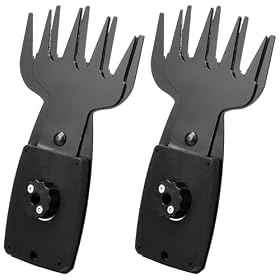
A blade sheath and the right lubricant help protect hedge trimmer blades between uses. Follow these simple steps after every cutting session.
What do you need help with?
Open an answer, or tell us what we should cover next.
Answered in this guide
Clean and lubricate hedge trimmer blades after cutting
Disconnect the trimmer from its power source, remove loose plant material and sticky sap, then apply blade lubricant as recommended by the manufacturer.
Understand how a blade sheath protects the trimmer
A blade sheath covers the cutting teeth during storage and transport, helping prevent accidental contact while protecting the teeth from bumps, moisture, and dust.
Replace lubricant when it is contaminated, has changed consistency, or is past its service life. Replace the sheath when needed with a compatible, blade-safe option.
Requests help us prioritize the next guide. No email required.
One anonymous request per topic.
After cutting, clean the hedge trimmer blades, apply a light coat of manufacturer-approved lubricant, and fit the blade sheath before storage. This routine removes sap and debris, helps limit rust, and protects you from exposed cutting teeth when the tool is not in use.
What to do after cutting
1. Disconnect the trimmer
Turn the hedge trimmer off and disconnect it from its power source before cleaning or lubricating it:
Unplug corded models.
Remove the battery from cordless models.
For gas models, switch the engine off and follow the manufacturer’s instructions for safe servicing.
Keep your hands away from the blade teeth, even when the trimmer appears to be off. Wear cut-resistant gloves if recommended by the manufacturer, and never hold the trigger while working near the blade.
2. Remove loose debris
Brush away leaves, twigs, and clippings with a soft brush or dry cloth. Check between the blade teeth, around the drive area, and near the blade guard.
Avoid spraying water directly into the motor housing, switches, battery compartment, or other electrical components. If the blades are wet, dry them thoroughly before storage.
3. Remove sap and sticky residue
Fresh sap is easier to remove than dried buildup. Use a cloth and a cleaner that the hedge trimmer manufacturer permits. Apply the cleaner to the cloth rather than flooding the tool.
Do not use a product that can damage plastic housings, rubber seals, painted surfaces, or blade coatings. If buildup is hard and the manufacturer allows it, let the cleaner soften the residue before wiping—do not scrape aggressively across the cutting edges.
4. Apply blade lubricant
Use a lubricant specifically labeled for hedge trimmer blades or the type named in your owner’s manual. Apply a light, even film to the blade surfaces and around the moving contact points identified by the manufacturer.
A practical method is to:
Put a small amount of lubricant on a cloth or apply it according to the product directions.
Wipe both sides of the blade assembly.
Move the blade only as permitted by the manufacturer so lubricant can reach the sliding surfaces.
Wipe off excess oil that could attract dust and clippings.
Do not assume any household oil, penetrating spray, or solvent is suitable. Some products can damage materials, leave excessive residue, or provide poor protection. The lubricant should not replace sharpening, blade adjustment, or professional service when the teeth are damaged.
5. Inspect the blade
With the trimmer disconnected, look for:
Bent or cracked teeth
Missing fasteners
Excessive movement between blade sections
Deep rust or pitting
Dents that prevent smooth blade movement
Sap or debris that remains after cleaning
Do not try to straighten a cracked or badly bent blade. Follow the manual for sharpening and blade adjustment, or replace the blade assembly when it is damaged or no longer moves correctly.
Why use a blade sheath?
A blade sheath covers the cutting teeth during transport and storage. It helps prevent accidental contact, protects the teeth from bumps, and limits exposure to moisture and dust.
Fit the sheath only after the blade is clean and dry enough for storage. A damp blade trapped inside a cover can encourage corrosion. Make sure the sheath is designed for the specific blade length and shape; a loose or incompatible cover may fall off or fail to protect the teeth.
Do not operate the hedge trimmer with the sheath installed. Remove it completely before starting the tool, and keep the cover away from the trigger and controls while the trimmer is in use.
Product prices and availability are accurate as of the date/time indicated and are subject to change. Any price and availability information displayed on Amazon.com at the time of purchase will apply to the purchase of this product.
How often should you lubricate hedge trimmer blades?
Lubricate the blades after each cutting session if the trimmer manufacturer recommends it, especially after cutting resinous or wet growth. Frequent lubrication is also useful when the tool is stored for an extended period.
The exact schedule depends on the tool, the amount of use, the type of vegetation, and the lubricant instructions. A blade that looks dry, begins to squeak, or shows early surface rust needs attention, but adding more lubricant will not fix a dull, misaligned, or damaged blade.
Product prices and availability are accurate as of the date/time indicated and are subject to change. Any price and availability information displayed on Amazon.com at the time of purchase will apply to the purchase of this product.
Storage checklist
Before putting the hedge trimmer away:
Disconnect the power source.
Remove plant material and sap.
Dry the blade and surrounding areas.
Apply the approved lubricant.
Wipe away excess residue.
Inspect the teeth, fasteners, and blade movement.
Install the correctly sized sheath.
Store the tool in a dry location away from children and unauthorized users.
Store batteries according to the battery maker’s instructions, separately if required.
Avoid leaving a cordless trimmer outdoors or in a damp shed. Do not store a gas-powered trimmer where fuel vapors could contact ignition sources; follow the engine manufacturer’s storage directions.
Product prices and availability are accurate as of the date/time indicated and are subject to change. Any price and availability information displayed on Amazon.com at the time of purchase will apply to the purchase of this product.
When to replace the lubricant or blade sheath
Replace lubricant if the container is contaminated, has changed consistency, or is past the product’s stated service life. Choose a replacement that is compatible with your trimmer and safe for its blade materials.
Replace a sheath if it is cracked, split, badly warped, or no longer stays securely over the blade. If no compatible sheath is available, store the disconnected trimmer in a secure location where the exposed blade cannot contact people or other equipment—but treat this as a temporary solution.
A replacement blade or professional service is the reasonable next step when the blade is cracked, severely bent, deeply corroded, loose after adjustment, or still binds after cleaning and lubrication. If the motor becomes unusually hot, produces smoke, trips a protection device, or makes a new grinding sound, stop using the trimmer and follow the manufacturer’s service guidance. Electrical repairs should be handled by a qualified professional when the manual does not provide a safe user procedure.
FAQ
Should I oil hedge trimmer blades after every use?
If the manufacturer recommends it, a light coat after each cutting session is a good maintenance routine, particularly after cutting wet or resinous growth. Wipe away excess lubricant so it does not collect dust and clippings.
Can I use WD-40 or household oil on hedge trimmer blades?
Only use a product if the hedge trimmer and lubricant manufacturers indicate that it is suitable. Household oils and multipurpose sprays may not provide the required protection and can affect plastics, coatings, or seals.
Can I store a hedge trimmer with the blade sheath on?
Yes. Clean and dry the blade first, then fit a properly sized sheath for storage and transport. Remove the sheath completely before operating the trimmer.
What should I do if the blade is rusty?
Remove surface rust only with a method approved by the manufacturer, then clean, dry, and lubricate the blade. Replace the blade or seek service if rust has caused deep pitting, weakened the teeth, or interferes with smooth movement.