Hedge trimmer blades need sharpening when they stop making clean cuts and begin tearing, crushing, or leaving ragged ends on branches. Inspect them before each use, but sharpen only when the cutting edges are visibly dull or performance has declined. If the blades are bent, cracked, badly chipped, or excessively worn, replacement is safer than filing.
Maintenance · Mon Sep 07
When to sharpen hedge trimmer blades
Hedge trimmer blades usually need sharpening when they tear or crush stems, leave uneven cuts, or require noticeably more force. Learn what to check, how often to sharpen, and when replacement is the better option.
Signs your hedge trimmer blades need sharpening
Look for several symptoms rather than relying on a fixed calendar schedule:
- Torn or crushed leaves and stems: Sharp blades should shear branches cleanly. Ragged cuts can indicate dull edges, although unsuitable blade spacing or a branch that is too thick can cause similar damage.
- More passes are needed: If you must move back and forth repeatedly over growth that the trimmer previously cut easily, the edges may be dull.
- The trimmer pulls or snags: Dull teeth can catch on stems instead of slicing through them.
- Cutting feels slower: A dull blade may reduce cutting progress even though the motor still sounds normal.
- Visible rounded edges or nicks: Disconnect the power, clean the blade, and inspect the tooth edges. A shiny, rounded cutting edge is a common sign of wear.
- More vibration than usual: Vibration can come from a damaged, bent, loose, or unbalanced blade—not just dullness. Stop using the trimmer until the cause is identified.
A poor result does not always mean the blade needs sharpening. Thick branches beyond the trimmer’s rated cutting capacity, wet debris, a dirty blade, or an incorrect cutting angle can also affect performance.
Hedge trimmer blade sharpening tool
 SHARPAL 121N Dual-Grit Diamond Sharpening Stone Garden Tool FileSHARPAL
$21.99 as of
View on Amazon Aqur2020 8in Flat Mill File Smooth Blade with Handle Edge Ergonomically Designed Handle File for…Aqur2020
$11.81 as of
View on Amazon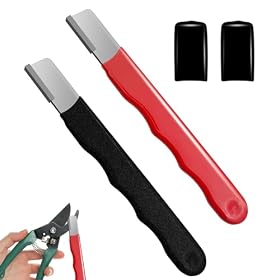 Fifchall 2 Pieces Garden Tool Sharpener, Garden Tool Blade Sharpener for Knife, Garden Knife Sharpener…Fifchall
$5.99 as of
View on Amazon
Product prices and availability are accurate as of the date/time indicated and are subject to change. Any price and availability information displayed on Amazon.com at the time of purchase will apply to the purchase of this product.
How often should hedge trimmer blades be sharpened?
There is no universal sharpening interval. The right frequency depends on how often you trim, the thickness and cleanliness of the hedge, the blade material, and whether the teeth contact dirt, fencing, or other hard objects.
For light residential use, checking the blades at the start of each trimming session may be enough, with sharpening when the cutting quality declines. Frequent use or contact with woody growth can require more regular maintenance. A quick visual inspection and cleaning after use will help you notice wear before it becomes severe.
Do not sharpen simply because a certain number of hours has passed. Sharpening removes metal, so unnecessary filing can shorten the useful life of the blade.
Replacement hedge trimmer blade
 Black & Decker OEM N815256 Hedge Trimmer Blade Assembly DCHT820P1 DCHT820BBLACK+DECKER
$76.80 as of
View on Amazon For DeWalt N815256 Replacement Hedge Trimmer Blade Assembly DCHT820B DCHT820P1ADPIU
$129.70 as of
View on Amazon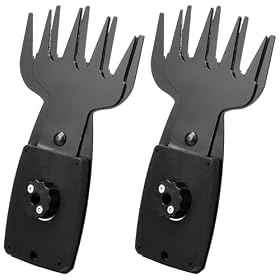 2 Pack 302348001 Hedge Trimmer Grass Shear Blade AssemblyBERPSE
$28.99 as of
View on Amazon
Product prices and availability are accurate as of the date/time indicated and are subject to change. Any price and availability information displayed on Amazon.com at the time of purchase will apply to the purchase of this product.
Inspect the blades before sharpening
Follow the owner’s manual first because blade removal, locking, and sharpening guidance varies by trimmer.
- Turn the trimmer off and disconnect it. Unplug corded models, remove the battery from cordless models, and follow the manufacturer’s instructions for gas-powered equipment. Do not rely only on the trigger lock.
- Wear gloves and keep hands away from the teeth. The blade can move unexpectedly if the tool is not fully isolated from its power source.
- Clean off sap and debris. A brush and an appropriate manufacturer-approved cleaner can reveal the actual condition of the edges. Avoid soaking electrical parts.
- Check for damage. Look for bent teeth, cracks, missing sections, deep chips, loose fasteners, and excessive wear.
- Check the blade assembly. If it is loose, badly damaged, or visibly bent, do not try to correct it by filing. Follow the manual for tightening or replacement.
If the cutting teeth are intact but their edges are dull, sharpening may be appropriate. If the damage is structural, replace the blade assembly or have it inspected by a qualified service professional.
Hedge trimmer blade lubricant
 Pruner Lubricant, Hedge Trimmer Oil for Blades, Pruning Shears Oil, 1 fl ozDreyoo
$12.99 as of
View on Amazon Supreme Trimmer Hair Clipper & Trimmer Blade Lubricating Oil 4 oz STO710Supreme Trimmer
$5.99 as of
View on Amazon Hair Clipper & Trimmer Oil – Odorless Light Machine Oil (Coconut-Derived) – Large 8 oz…Verdana
$10.90 as of
View on Amazon
Product prices and availability are accurate as of the date/time indicated and are subject to change. Any price and availability information displayed on Amazon.com at the time of purchase will apply to the purchase of this product.
Can you sharpen hedge trimmer blades yourself?
Many straight, accessible hedge trimmer teeth can be touched up with a sharpening file or a tool specified by the manufacturer. The usual approach is to file each cutting edge while maintaining the tooth’s existing angle. Use light, consistent strokes and remove as little material as possible.
Important precautions include:
- Secure the trimmer so the blade cannot move while you work.
- Use the file size and sharpening method specified in the owner’s manual.
- Match the original bevel instead of creating a new angle by guesswork.
- File the cutting edges consistently so the blade remains balanced.
- Avoid grinding aggressively, which can overheat or weaken the metal.
- Do not sharpen teeth that are cracked, badly bent, or missing material.
Some blades have complicated tooth profiles or require disassembly. If the manual calls for a service center, or you cannot safely secure and access the blade, professional sharpening or blade replacement is the better choice.
Sharpening is not the same as cleaning and lubricating
A blade covered in sap may perform poorly even when its cutting edges are sharp. Clean the blade according to the manufacturer’s directions, then apply the recommended blade lubricant if the manual calls for it. Lubrication reduces friction and helps protect the blade from corrosion, but it will not restore a dull edge.
Do not substitute household oils or cleaners unless the manufacturer says they are compatible. Keep lubricant away from the motor, battery contacts, and other electrical components.
When should you replace the blades instead?
Replacement is usually more sensible than sharpening when:
- The blade is cracked, bent, warped, or missing teeth.
- Deep chips remain after a light sharpening.
- The teeth are worn too short to maintain their original shape.
- The blade remains rough or uneven after proper sharpening.
- Vibration continues after cleaning and checking the blade assembly.
- The replacement blade is easier to source and costs less than professional repair.
Use a blade assembly that is specifically approved for the trimmer. Blade length, tooth spacing, mounting points, and compatibility all matter. Do not assume that a blade with the same length will fit or operate safely.
A simple maintenance routine
Use this routine to extend blade life:
- Inspect the blade before trimming.
- Remove leaves, sap, and dirt after use.
- Check for loose fasteners and obvious damage.
- Lubricate as directed by the manual.
- Store the trimmer with its blade sheath fitted, in a dry location.
- Sharpen at the first signs of dull cutting rather than waiting until the blade requires heavy material removal.
Stop using the trimmer if it produces unusual vibration, grinding, smoke, or a burning smell. Disconnect the power source and check the manual. Electrical faults, motor problems, and major mechanical damage should be handled by a qualified repair professional or addressed with a compatible replacement unit.
FAQ
How do I know if my hedge trimmer blades are dull?
Ragged or crushed cuts, slower trimming, repeated passes, snagging, and visibly rounded cutting edges are common signs. Clean the blade first because sap and debris can also reduce cutting performance.
Can I sharpen hedge trimmer blades with a file?
Often, straight accessible teeth can be lightly sharpened with the file type and technique specified in the owner’s manual. Maintain the original bevel and avoid filing cracked, bent, or badly chipped teeth.
How frequently should hedge trimmer blades be sharpened?
There is no fixed schedule. Inspect the blade before use and sharpen when cutting quality declines. Frequent trimming, woody growth, and contact with dirt or hard objects can shorten the interval.
Should hedge trimmer blades be replaced or sharpened?
Sharpen intact teeth that are simply dull. Replace the blade assembly when it is cracked, bent, badly chipped, missing teeth, excessively worn, or still causes problems after correct sharpening.
Does blade lubricant sharpen a hedge trimmer blade?
No. Lubricant helps reduce friction and protect the blade after cleaning, but it cannot restore a dull cutting edge.