A suitable blade lubricant and fitted sheath can protect hedge trimmer blades, reduce storage damage, and make routine maintenance easier. Here is what to check before buying.
A blade lubricant and sheath kit is a simple hedge trimmer maintenance purchase, but compatibility matters. Choose a lubricant intended for cutting tools or hedge trimmer blades, and select a sheath that fully covers the blade without interfering with the blade teeth or locking mechanism. The right combination helps limit sap buildup, corrosion, and accidental contact during storage.
What a hedge trimmer blade lubricant does
Hedge trimmer lubricant helps reduce friction between the reciprocating blades and can make it easier to remove plant residue after trimming. It also helps protect exposed metal from moisture and sap, especially when the trimmer is stored between uses.
Look for these characteristics:
Designed for cutting tools or hedge trimmer blades: Avoid assuming that any household oil is suitable. Follow the trimmer manufacturer’s lubrication instructions first.
Resists collecting excessive dirt: A very sticky product may hold dust and clippings against the blade.
Works with the tool’s materials: Check the label if the trimmer has painted, coated, or plastic components near the blade.
Easy application: A spray, drip bottle, or applicator with controlled flow can help prevent over-lubrication.
Suitable for storage protection: If corrosion is a concern, check whether the product is intended only for lubrication or also for rust protection.
Do not lubricate a powered hedge trimmer while it can start accidentally. Unplug corded models, remove the battery from cordless models, and follow the owner’s manual before handling the blade.
How to choose the sheath
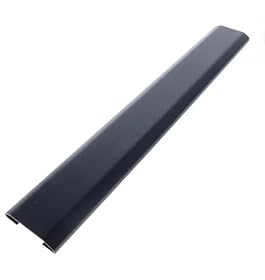
A sheath protects the blade during storage, transport, and handling. It should cover the complete cutting section and stay in place without needing to press against the teeth.
Check the following before ordering:
Blade length and overall fit
Measure the blade section rather than relying only on the hedge trimmer’s advertised cutting length. The sheath must be long enough to cover the entire blade, but an excessively loose cover may slide off or become awkward to carry.
Blade shape
Some hedge trimmer blades are relatively straight, while others have guards, wider housings, or distinctive end shapes. Compare the sheath’s internal width and opening with the actual blade assembly. A generic cover may fit the length but fail to clear the blade guard or front tip.
Retention and handling
A useful sheath should remain secure when the trimmer is moved, but it should not require force that could damage the cover or blade. A molded cover, fastening strap, or other retention feature can be helpful, provided it does not obstruct the controls or battery area.
Material and storage conditions
A rigid or semi-rigid cover generally offers more protection from impacts than a thin fabric cover. Fabric can be convenient for light storage, but it should not be treated as protection against a powered blade or a hard impact. Store the trimmer in a dry location and keep the sheath clean so grit is not pressed into the blade.
Product prices and availability are accurate as of the date/time indicated and are subject to change. Any price and availability information displayed on Amazon.com at the time of purchase will apply to the purchase of this product.
Is a kit better than buying each item separately?
A kit is convenient when the lubricant and sheath are both compatible with your trimmer. It can also simplify routine maintenance by keeping blade care and storage protection together.
Buying separately may be better when:
Your trimmer has an unusually long, curved, or wide blade.
The included sheath does not match the blade dimensions.
You already have a suitable lubricant.
You need a specific applicator or a product approved by the trimmer manufacturer.
You want a more protective rigid cover rather than a basic sleeve.
Do not choose a kit solely because it is labeled universal. Confirm the stated blade-length range, opening dimensions, and compatibility notes before purchase.
Product prices and availability are accurate as of the date/time indicated and are subject to change. Any price and availability information displayed on Amazon.com at the time of purchase will apply to the purchase of this product.
How to use the lubricant and sheath
Turn the hedge trimmer off and disconnect its power source. Remove the battery or unplug the cord.
Brush or wipe loose leaves, twigs, and sap from the blade. Use a cleaning method allowed by the manufacturer.
Apply a light, even amount of lubricant to the blade surfaces or the specified lubrication points. Avoid flooding the motor housing, vents, switch, battery contacts, or charger.
If the manual permits it, briefly operate the disconnected-from-power blade mechanism only as directed; otherwise, distribute lubricant by hand without energizing the tool.
Wipe away excess oil and residue. Too much lubricant can attract dust and may run into areas that should remain dry.
Check for loose fasteners, damaged teeth, bent sections, or unusual blade movement.
Fit the clean, dry sheath over the blade before storage. Keep the tool where children and unauthorized users cannot access it.
For cordless models, do not store the battery in a hot, damp, or exposed location. Follow the battery manufacturer’s storage guidance separately from the blade-care instructions.
Product prices and availability are accurate as of the date/time indicated and are subject to change. Any price and availability information displayed on Amazon.com at the time of purchase will apply to the purchase of this product.
Common buying mistakes
Choosing lubricant by general-purpose labeling alone
A general-purpose oil may not be appropriate for every hedge trimmer. The owner’s manual takes priority, particularly if the manufacturer specifies a lubricant type or warns against certain sprays.
Matching only the advertised blade length
A “22-inch” or similar description does not guarantee that every sheath of the same stated length will fit. Blade housing width, tip design, and the location of guards can affect compatibility.
Using the sheath as a repair for a damaged blade
A cover protects a sound blade; it does not make a bent, cracked, loose, or badly worn blade safe. Stop using the trimmer if the blade is damaged or moves abnormally, and arrange the appropriate repair or replacement.
Leaving heavy residue on the blade
A thick coating can collect abrasive debris. Clean the blade and apply only the amount recommended by the lubricant and trimmer manufacturers.
When to replace the blade or trimmer
Replace or professionally service a blade if it has cracked teeth, significant bending, missing hardware, severe corrosion, or damage that prevents smooth movement. A replacement blade is usually the more sensible purchase when the motor and housing are in good condition and a compatible blade is available.
A replacement trimmer may be more practical when the blade is unavailable, the drive mechanism is damaged, the motor has electrical problems, or repair costs and compatibility risks approach the cost of a suitable new tool. Disconnect the power and consult the manufacturer or a qualified repair professional for electrical faults.
Before buying a lubricant and sheath kit, identify the trimmer’s exact model, power source, blade length, blade shape, and the manufacturer’s maintenance requirements. Those details matter more than a generic “universal” label.
FAQ
Can I use any oil on hedge trimmer blades?
No. Use a lubricant recommended by the hedge trimmer manufacturer or specifically labeled for suitable cutting tools. Disconnect the power source before cleaning or lubricating, and wipe away excess residue.
How do I know whether a sheath will fit my hedge trimmer?
Check the sheath’s stated length and internal width against the actual blade assembly. Also compare the opening, blade guard, and tip shape because matching the advertised blade length alone may not be enough.
Should I lubricate hedge trimmer blades after every use?
Follow the owner’s manual. Many tools benefit from cleaning and light lubrication after use, particularly after cutting sap-producing plants or before storage, but excessive lubricant can attract dirt.
Can a sheath protect a hedge trimmer during transport?
A properly fitted sheath can reduce accidental contact and protect the blade from light damage, but it is not a substitute for secure transport. Keep the tool powered off, disconnect the battery or cord, and prevent it from shifting or being crushed.