A catcher plate can make formal hedge trimming cleaner by collecting cuttings as you work, but compatibility and hedge shape matter more than appearance. Here is how to choose and use one safely.
A catcher plate is a blade-mounted accessory that helps collect clippings while you trim a straight-sided, formal hedge. It can reduce cleanup on paths, patios, and planted beds, but it is not a universal hedge trimmer part: the plate must match the trimmer’s blade design, mounting points, and manufacturer instructions.
When a catcher plate is useful
A catcher plate makes the most sense when:
The hedge has a flat or gently sloping face.
You trim repeatedly in the same direction.
Clippings falling onto a walkway, driveway, or mulch bed would be inconvenient.
You want to collect fresh green growth before it becomes mixed with older debris.
It is less useful on rounded, heavily overgrown, or irregular hedges. A plate may also become awkward when trimming the top, corners, or tight spaces because the accessory can add width or change the balance of the tool.
Check compatibility before buying
Do not assume a catcher plate will fit every hedge trimmer. Check these points first:
Trimmer model and blade design
Look for an accessory listed for the exact trimmer model or for a clearly stated compatible model range. Compare the blade length and the shape of the blade rail with the product information. Some plates are designed for a particular mounting arrangement and will not attach securely to a different trimmer.
Mounting method
The plate may clip to, slide onto, or attach near the blade assembly. Do not drill the blade, remove structural fasteners, or modify the guard to make an accessory fit. Changes to the blade assembly can create a safety hazard and may affect the manufacturer’s warranty.
Clearance and moving parts
When the trimmer is switched off and disconnected from power, confirm that the plate cannot touch the reciprocating teeth, hand guard, front handle, or blade tip. It should not obstruct the trigger, safety switch, battery release, cord, or protective guard.
If the accessory’s instructions do not show how it fits your model, treat that as a reason to keep looking rather than improvising.
Product prices and availability are accurate as of the date/time indicated and are subject to change. Any price and availability information displayed on Amazon.com at the time of purchase will apply to the purchase of this product.
How to use a catcher plate on a formal hedge
Turn the trimmer off. Remove the battery, unplug the tool, or follow the manufacturer’s shutdown procedure before installing or adjusting the plate.
Inspect the attachment. Do not use a cracked, bent, loose, or sharply damaged plate.
Install it exactly as directed. All clips, screws, or locating points should be fully engaged.
Check blade movement by hand only while disconnected from power. The blade should move as designed without rubbing the plate.
Start with a small test section. Trim slowly and observe whether the plate stays secure and collects material without pushing the hedge out of shape.
Keep the blade aligned with the hedge face. A straight, steady pass generally gives the plate a better chance of catching clippings than rapid or twisting movements.
Stop if debris builds up. Disconnect the tool before clearing clippings from the blade or plate.
Wear eye protection, sturdy footwear, and gloves appropriate for the task. Keep other people and pets away from the work area, and follow the hedge trimmer’s safety instructions.
Product prices and availability are accurate as of the date/time indicated and are subject to change. Any price and availability information displayed on Amazon.com at the time of purchase will apply to the purchase of this product.
Limits of a clipping catcher
A catcher plate will not collect every clipping. Wind, wet foliage, thick branches, and the direction of the cut can carry material beyond the plate. It may also fill quickly on a dense hedge, reducing collection performance or making the tool harder to handle.
Avoid forcing the trimmer through branches that exceed its rated cutting capacity. A catcher plate is a collection accessory, not a substitute for the correct blade, cutting technique, or tool size.
For a tall hedge, a plate may be difficult to see or control when the trimmer is held overhead. A pole hedge trimmer or a professional service may be a safer choice if maintaining the hedge requires unstable footing, ladders, or extended overhead work.
Product prices and availability are accurate as of the date/time indicated and are subject to change. Any price and availability information displayed on Amazon.com at the time of purchase will apply to the purchase of this product.
Cleaning and storage
Disconnect the trimmer before removing the catcher plate or clearing debris. Brush off clippings and check the attachment points for cracks, distortion, or trapped material. If the manufacturer permits it, clean the blade and apply the specified blade lubricant after trimming. Keep the plate and trimmer dry, and store the accessory where it will not be bent.
Do not use solvents or lubricants on the plate or blade unless they are approved in the owner’s manual. Keep the blade sheath fitted during storage or transport when the manufacturer supplies one.
When a different approach is better
A catcher plate may not be the best solution when:
Your hedge has a rounded or uneven profile.
The accessory interferes with blade movement or visibility.
Clippings are too wet, heavy, or abundant for the plate to hold.
No compatible plate is available for your trimmer.
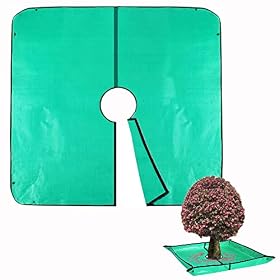
For a small formal hedge, laying a tarp or collection sheet beneath the work area may be simpler and more universal. For a larger hedge, trimming in manageable sections and raking immediately can be more practical than adding an incompatible attachment.
If the plate will not lock in place, rubs against the blade, or changes the tool’s balance substantially, stop using it. Replace the accessory with a model-specific part or use a different cleanup method rather than modifying the trimmer.
FAQ
Do catcher plates fit all hedge trimmers?
No. Compatibility depends on the trimmer model, blade assembly, mounting points, and clearance around moving parts. Choose an accessory specifically listed for your model or confirmed blade design.
Are catcher plates useful on a tall hedge?
They can help in some situations, but overhead use may reduce visibility and control. Do not use a ladder or unstable footing to reach the hedge; consider a suitable pole trimmer or professional help instead.
Can I modify a catcher plate so it fits my hedge trimmer?
Modification is not recommended. Drilling, bending, or removing blade or guard components can create interference and safety problems. Use a compatible replacement or collect clippings with a tarp or rake.
Why is my catcher plate not collecting all the clippings?
Wind, wet foliage, hedge shape, cutting direction, and a full plate can all reduce collection. Stop with the tool disconnected, clear the debris, and check that the attachment is correctly installed and undamaged.