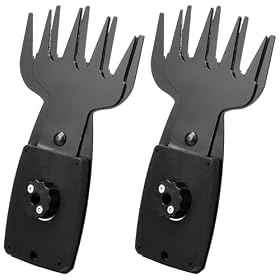
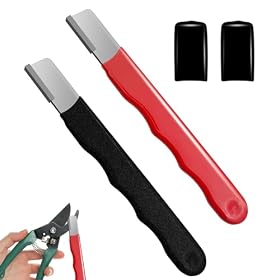
Sharpening can cost less than replacement, but a new blade is often the better choice when teeth are damaged, badly worn, or the blade is difficult to remove and service.
Cost of sharpening versus new blades
The cheaper option depends on the blade’s condition, the sharpening method, and the price and availability of a compatible replacement. For a lightly dull hedge trimmer blade, sharpening is usually worth considering. For a bent, cracked, heavily worn, or inexpensive blade, replacement is often the better value.
What determines the total cost?
Compare the complete cost—not just the advertised sharpening fee or blade price.
Cost of sharpening
A sharpening job may involve:
A service fee from a local tool shop or small-engine repair business
Two-way shipping if the blade is mailed out
Removal and reinstallation time
Cleaning and lubrication
Extra charges for damaged or unusually dull teeth
Your time if you sharpen the blade yourself
A professional service may make more sense for a commercial-grade blade or a model with expensive replacement parts. Shipping can make professional sharpening uneconomical for a small residential blade.
Cost of a new blade
A replacement blade’s total cost can include:
The blade itself
Shipping or delivery
Any required screws, spacers, or mounting hardware
Installation time
Disposal or recycling of the old blade
Check the hedge trimmer’s exact model number before ordering. Blade length alone is not enough to confirm compatibility. Mounting holes, drive components, tooth spacing, blade thickness, and guard clearance may differ between models.
Product prices and availability are accurate as of the date/time indicated and are subject to change. Any price and availability information displayed on Amazon.com at the time of purchase will apply to the purchase of this product.
When sharpening is usually the better value
Sharpen the existing blade when:
The teeth are dull but still present and evenly shaped
The blade is straight and free of cracks
The trimmer still has normal motor power
The blade slides properly without excessive side-to-side movement
A compatible replacement is expensive, hard to find, or unavailable
You can have it sharpened locally at a reasonable total cost
A properly sharpened blade can restore cutting performance without requiring a model-specific replacement. It is especially useful when only the cutting edges have become dull from normal trimming.
Product prices and availability are accurate as of the date/time indicated and are subject to change. Any price and availability information displayed on Amazon.com at the time of purchase will apply to the purchase of this product.
When a new blade is usually the better choice
Replacement is generally more practical when:
Teeth are chipped, broken, or severely rounded
The blade is bent or twisted
There are cracks, deep rust pits, or significant corrosion
The blade has been damaged by wire, fencing, rocks, or other hard objects
The blade has already been sharpened repeatedly and the teeth are noticeably reduced
The blade binds, wobbles, or has excessive play after cleaning and lubrication
Sharpening plus shipping costs nearly as much as a compatible new blade
Do not continue using a cracked or badly bent blade. A damaged reciprocating blade can create vibration, poor cutting, and a greater risk of component failure or injury.
Product prices and availability are accurate as of the date/time indicated and are subject to change. Any price and availability information displayed on Amazon.com at the time of purchase will apply to the purchase of this product.
A simple break-even calculation
Use this comparison before deciding:
Sharpening total = service fee + shipping or travel + parts + your time
Replacement total = new blade + shipping + required hardware + installation time
Sharpening is usually the better financial choice when it costs substantially less than a compatible replacement and the blade is structurally sound. If the totals are close, a new blade may provide better value because it starts with unworn teeth and avoids uncertainty about the sharpening quality.
For a low-cost consumer trimmer, replacement often wins once sharpening requires shipping or a special trip. For a heavier-duty trimmer with an expensive or hard-to-source blade, sharpening may remain worthwhile even when the service fee is higher.
DIY sharpening versus professional sharpening
DIY sharpening can reduce the cash cost, but it requires care. A small flat file or manufacturer-approved sharpening method may be suitable for minor maintenance, while a power grinder can remove too much metal or overheat the cutting edge.
If you sharpen the blade yourself:
Disconnect the battery, unplug the trimmer, or remove the spark plug lead as applicable.
Follow the manufacturer’s instructions for removing or securing the blade.
Wear eye protection and cut-resistant gloves when handling the blade.
Match the existing bevel rather than changing the tooth angle.
Remove only enough metal to restore a clean edge.
Keep both sides of the blade consistent so it remains balanced.
Clean away filings, reinstall all hardware correctly, and apply the specified lubricant.
If the blade is bent, cracked, badly corroded, or difficult to remove, use a qualified repair service or replace it. Never work on a powered hedge trimmer while it is connected to its power source.
Other costs that can be mistaken for a dull blade
A hedge trimmer that cuts poorly may not need sharpening or a new blade. Before spending money, check:
Debris between the blades: Remove packed leaves, sap, and twigs only with the power disconnected.
Insufficient lubrication: Clean the blade and apply the lubricant recommended in the owner’s manual.
Loose fasteners: Excessive movement can reduce cutting performance, but do not overtighten blade hardware.
Incorrect setup: A low battery, extension cord problem, or overloaded power source can reduce motor speed.
Motor or drive problems: Grinding, severe vibration, smoke, unusual noise, or a blade that stops under light load needs professional attention.
A new blade will not correct a failing gearbox, weak battery, damaged drive mechanism, or electrical fault.
How to extend the time between sharpening or replacement
Clean the blade after each use, especially after cutting sap-heavy growth. Lubricate it according to the manufacturer’s instructions, store it dry with the supplied sheath or a suitable blade cover, and avoid contact with wire, soil, rocks, and fencing.
Do not force the trimmer through branches thicker than the model’s stated cutting capacity. Repeated overload can damage both the blade and the drive system.
Bottom line
Choose sharpening when the blade is straight, intact, and only dull, particularly if local service is affordable. Choose a new blade when the existing one is damaged, badly worn, unsafe, or nearly as expensive to sharpen as to replace. Before ordering, verify the exact hedge trimmer model and confirm that the replacement includes the correct mounting arrangement and hardware.
Is it cheaper to sharpen a hedge trimmer blade or buy a new one?
It depends on the blade condition, local sharpening fees, shipping, and replacement availability. Sharpening is usually cheaper for a sound, lightly dull blade. Replacement is often better when the blade is damaged or sharpening costs approach the price of a compatible new blade.
How do I know whether a hedge trimmer blade can be sharpened?
It can usually be sharpened if the blade is straight and the teeth are intact but dull. Cracks, severe bends, deep corrosion, broken teeth, and excessive wear are reasons to replace it or have it assessed by a qualified repair professional.
Can I sharpen a hedge trimmer blade myself?
Minor sharpening may be possible with the manufacturer-approved file or method. Disconnect the power source, wear eye protection and gloves, preserve the existing bevel, and remove only a small amount of metal. Avoid aggressive grinding unless the manufacturer or a qualified professional specifies that method.
Does a new blade make a hedge trimmer more powerful?
No. A new blade may improve cutting if the old blade is dull or damaged, but it will not repair a weak battery, electrical problem, worn gearbox, or failing motor.
Should I replace the blade if it is rusty?
Light surface rust may be removable with cleaning and lubrication if the blade remains straight and structurally sound. Deep pitting, flaking metal, cracks, or binding are reasons to replace the blade or seek professional advice.