Ligustrum sap is sticky and can make hedge trimmer blades drag, pull at stems, and collect leaves and dust. The safest approach is to disconnect the trimmer completely, remove loose debris, soften the residue with a cleaner approved for your tool, and finish with blade lubricant.
Maintenance · Mon Sep 07
Cleaning Sap Off Blades After Ligustrum
Ligustrum sap can make hedge trimmer blades sticky, slow, and prone to pulling. Follow a safe cleaning process using a brush, plastic scraper, approved cleaner, and fresh blade lubricant.
Before cleaning the blades
Turn the trimmer off and disconnect its power source:
- Cordless trimmer: Turn it off and remove the battery.
- Corded trimmer: Unplug it from the outlet.
- Gas trimmer: Shut it down and follow the manufacturer’s instructions for securing the ignition system before working near the blades.
Wear cut-resistant gloves and eye protection. Keep your fingers away from the cutting edges, even when the trimmer is disconnected. Place the tool on a stable work surface with the blade sheath fitted if the sheath can be installed safely.
Check the owner’s manual before using a solvent. Some cleaners can damage plastic housings, rubber seals, painted surfaces, or blade coatings.
Blade cleaning and resin removal
 TREND Tool, Blade & Bit Cleaner, 18 fl oz, Resin, Pitch & Rust Remover, Safe…TREND
$13.49 as of
View on Amazon
Product prices and availability are accurate as of the date/time indicated and are subject to change. Any price and availability information displayed on Amazon.com at the time of purchase will apply to the purchase of this product.
How to remove ligustrum sap
1. Brush away loose material
Use a stiff nylon brush or an old toothbrush to remove leaves, small twigs, and dried plant material from between the teeth. Brushing first prevents grit from being rubbed deeper into the sticky residue.
Do not use your bare hand to pull debris from the blade. If a twig is wedged tightly, use pliers while keeping the blade secured and your hand clear of the cutting edges.
2. Scrape off thick deposits
For hardened sap, use a plastic scraper, old plastic card, or wooden stick. Work along the flat sides of the blade and around the teeth without forcing the scraper into the cutting edges.
Avoid steel knives, screwdrivers, and other hard metal tools. They can scratch the blade, damage its coating, or create nicks that encourage corrosion.
3. Apply a suitable cleaner
Put a small amount of manufacturer-approved blade cleaner, resin remover, or another compatible cleaner on a cloth. Wipe the blade rather than flooding the trimmer. Allow the cleaner to soften the sap according to its label directions, then wipe and repeat as needed.
If the manual permits it, a small amount of isopropyl alcohol may help with light residue. Test any cleaner on an inconspicuous area first. Do not mix cleaning chemicals, spray flammable products near a hot motor or ignition source, or allow liquid to run into the motor, battery compartment, switches, or vents.
For heavy buildup, several light applications are safer than soaking the assembly. Use a fresh section of cloth as sap transfers off the blade.
4. Clean between the teeth
Fold a cloth around a plastic scraper or use a narrow nylon brush to reach between the cutter teeth. Move along the blade in a direction that keeps your hand behind the cutting edge. Do not squeeze the blades together while cleaning.
If sap has hardened inside the blade assembly and cannot be removed without disassembly, stop and check the service instructions. Removing blade components may require specific procedures and hardware.
5. Dry and lubricate the blade
Wipe the blade completely dry. Then apply hedge trimmer blade lubricant as directed by the trimmer manufacturer. A light, even film is usually preferable to a heavy coating that attracts dust and clippings.
After lubricating, briefly run the trimmer only when it is safe to do so and only as directed in the manual. Keep people, pets, and objects away from the cutting area. Disconnect the tool again before wiping away excess lubricant or inspecting the teeth.
Lubrication after cleaning
 Pruner Lubricant, Hedge Trimmer Oil for Blades, Pruning Shears Oil, 1 fl ozDreyoo
$12.99 as of
View on Amazon Supreme Trimmer Hair Clipper & Trimmer Blade Lubricating Oil 4 oz STO710Supreme Trimmer
$5.99 as of
View on Amazon Hair Clipper & Trimmer Oil – Odorless Light Machine Oil (Coconut-Derived) – Large 8 oz…Verdana
$10.90 as of
View on Amazon
Product prices and availability are accurate as of the date/time indicated and are subject to change. Any price and availability information displayed on Amazon.com at the time of purchase will apply to the purchase of this product.
If the blades still drag after cleaning
Sap is not always the only cause of poor cutting. Check these items in order:
- Remaining residue: Look closely at the flat blade surfaces and the gaps between teeth.
- A dull or damaged blade: Sap can hide rounded edges, bent teeth, or small nicks.
- Loose hardware: Follow the manual’s inspection procedure for blade fasteners and guides. Do not overtighten components that require a specified adjustment.
- Incorrect cutting conditions: Cutting branches thicker than the trimmer’s stated capacity can cause repeated stalls and rough cuts.
- Power or battery issues: On a cordless model, charge the battery and check that it locks fully into place. For a corded model, inspect the cord and outlet without using damaged equipment.
Stop using the trimmer if the blade is bent, cracked, badly nicked, unusually loose, or rubbing against the housing. A replacement blade assembly or professional service is usually more sensible than trying to straighten or grind a damaged blade yourself. Use only a replacement part specified for the trimmer model.
Replacement for damaged blades
 Black & Decker OEM N815256 Hedge Trimmer Blade Assembly DCHT820P1 DCHT820BBLACK+DECKER
$76.80 as of
View on Amazon For DeWalt N815256 Replacement Hedge Trimmer Blade Assembly DCHT820B DCHT820P1ADPIU
$129.70 as of
View on Amazon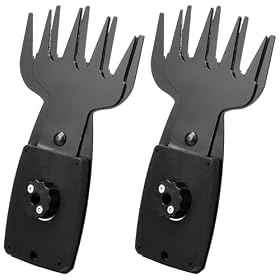 2 Pack 302348001 Hedge Trimmer Grass Shear Blade AssemblyBERPSE
$28.99 as of
View on Amazon
Product prices and availability are accurate as of the date/time indicated and are subject to change. Any price and availability information displayed on Amazon.com at the time of purchase will apply to the purchase of this product.
Preventing ligustrum sap buildup
Clean the blades soon after trimming, before the sap dries. A quick brushing, wipe-down, and light application of compatible lubricant is easier than removing a thick layer later.
Other useful habits include:
- Avoid trimming wet foliage when practical; moisture can help debris stick to sap.
- Remove obviously dead, dirty, or gritty branches before cutting.
- Do not spray general-purpose oil or adhesive remover onto the motor or battery area.
- Store the trimmer clean and dry with the blade sheath installed.
- Keep a blade-cleaning brush and compatible lubricant with the tool.
Regular cleaning will not correct a blade that has lost its edge. If the trimmer continues to tear leaves, vibrate, stall, or leave an uneven hedge after the sap is removed, inspect the blade and have it sharpened or replaced according to the manufacturer’s instructions.
FAQ
What is the best cleaner for ligustrum sap on hedge trimmer blades?
Use a blade cleaner, resin remover, or other product approved by the trimmer manufacturer. Some manuals permit limited use of isopropyl alcohol, but check compatibility first and keep all liquid away from the motor, switches, vents, and battery compartment.
Can I use WD-40 to remove sap from hedge trimmer blades?
Do not assume a general-purpose penetrating spray is suitable. It may leave a residue that attracts dust or conflict with the manufacturer’s lubrication guidance. Use a purpose-made blade cleaner and hedge trimmer lubricant when the manual allows them.
Should I remove the battery before cleaning cordless hedge trimmer blades?
Yes. Turn the trimmer off and remove the battery before brushing, scraping, wiping, lubricating, or inspecting the blades. Removing the battery reduces the risk of accidental startup but does not make the cutting edges safe to touch.
Why are my hedge trimmer blades still sticky after cleaning?
Sap may remain between the teeth or on the blade guides. Repeat the cleaning process with a compatible cleaner and a nylon brush. If the blades are dull, bent, nicked, or rubbing against the housing, cleaning will not solve the problem and the blade assembly may need service or replacement.