Dual-action reducing vibration versus single-action
Dual-action hedge trimmers generally produce less vibration and smoother cutting than single-action models, but single-action designs can still make sense for straightforward, precise trimming. Here is how the blade systems differ and what to consider before buying.
What do you need help with?
Open an answer, or tell us what we should cover next.
Answered in this guide
Choose between dual-action and single-action blades
Dual-action trimmers usually feel smoother and create less vibration, while single-action models can suit straightforward, precise trimming. Compare the blade movement, comfort, and intended use before buying.
Compare vibration and hand fatigue between blade actions
Dual-action is usually the better choice when reducing vibration and hand fatigue matters, especially for shaping long hedge sections or doing repeated trimming.
Compare what affects hedge trimmer cutting performance
Neither blade action always cuts better. Tooth spacing, blade sharpness, motor power, cutting speed, blade length, and power source can matter as much as the action itself.
Choose blade length and tooth spacing alongside blade action
When comparing trimmers, consider blade length and tooth spacing with the blade action. These specifications affect how much hedge each pass can handle and how suitable the trimmer is for different growth.
Maintain a hedge trimmer to help control vibration
Basic maintenance can reduce unnecessary vibration and poor cutting. Disconnect the power source before maintenance and follow the article’s guidance for keeping the trimmer in better working condition.
Request a topic and help us choose what to build next.
Choose tooth spacing for a specific hedge type
Use a hedge trimmer safely for routine work
Fix a hedge trimmer that still vibrates excessively
Requests help us prioritize the next guide. No email required.
One anonymous request per topic.
Dual-action hedge trimmers usually reduce felt vibration because two sets of teeth move in opposite directions and help balance the cutting motion. Single-action trimmers use one moving blade against a fixed blade, which can transmit more vibration but may offer a straightforward, precise cutting action. The better choice depends on comfort, hedge size, branch thickness, noise, and how long you trim at a time.
What dual-action and single-action mean
The terms describe how the blades move, not whether the trimmer is cordless, corded, or gas-powered.
Dual-action blades
A dual-action hedge trimmer has two reciprocating blade sets. Both move back and forth, typically in opposite directions. The teeth on each blade pass one another to cut stems.
Because the moving parts counteract some of each other's motion, dual-action designs commonly feel smoother and produce less noticeable vibration than comparable single-action designs. They are widely used for general residential trimming and are often the easier choice for maintaining medium or large hedges.
Single-action blades
A single-action trimmer has one moving blade working against a stationary blade. The fixed blade provides a stable cutting surface while the moving blade shears stems against it.
Single-action systems can cut cleanly and may be simpler in design. However, the one-sided blade movement can create more noticeable vibration, especially during extended use or when the trimmer is held at an awkward angle.
Does dual-action always reduce vibration?
No. Blade action is only one factor. A dual-action trimmer can still vibrate excessively if its blades are dull, damaged, dirty, poorly lubricated, or loose. Motor balance, blade length, handle design, weight distribution, and the condition of the drive components also matter.
A well-maintained single-action trimmer may feel better than a poorly maintained dual-action model. When comparing products, look for the manufacturer's vibration information if it is provided, and consider the handle layout and total weight rather than relying on blade action alone.
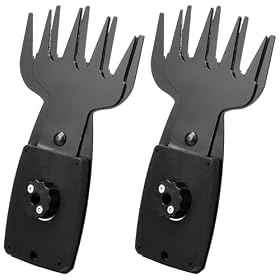
Replacement blades for a dual-action hedge trimmer
Product prices and availability are accurate as of the date/time indicated and are subject to change. Any price and availability information displayed on Amazon.com at the time of purchase will apply to the purchase of this product.
Key differences at a glance
Feature
Dual-action
Single-action
Blade movement
Two blades move
One blade moves against a fixed blade
Typical vibration feel
Smoother in many comparable designs
More vibration may be noticeable
Cutting behavior
Good for general shaping and longer passes
Can provide a controlled, precise shearing action
Common advantage
Better comfort for frequent or extended trimming
Simple, direct cutting arrangement
Maintenance concerns
Both blade sets need cleaning and lubrication
Moving blade and fixed blade need care
Best fit
General-purpose residential trimming
Users prioritizing a simple design or precise work
These are general tendencies, not guarantees. Always check the specifications and instructions for the particular trimmer.
Replacement blades for a single-action hedge trimmer
Product prices and availability are accurate as of the date/time indicated and are subject to change. Any price and availability information displayed on Amazon.com at the time of purchase will apply to the purchase of this product.
Which is better for reducing hand fatigue?
Dual-action is usually the better starting point if vibration is your main concern. Lower vibration can make repeated trimming more comfortable, particularly when shaping long sections of hedge or working for more than a few minutes at a time.
But weight and balance can matter just as much. A long-blade dual-action trimmer may be smoother yet tiring to hold. A shorter, lighter single-action model may be easier to control for small shrubs. Consider:
Total weight: A heavier tool increases arm and shoulder fatigue even if vibration is low.
Handle position: A rotating or well-positioned rear handle can make vertical and horizontal cuts easier.
Grip comfort: A secure grip helps prevent squeezing the handles too tightly.
Blade length: Longer blades cover more hedge per pass but can increase leverage and fatigue.
Cutting duration: For occasional touch-ups, vibration may matter less than for frequent trimming.
Wear hearing and eye protection, keep both hands on the intended handles, and follow the tool manufacturer's safety instructions.
Product prices and availability are accurate as of the date/time indicated and are subject to change. Any price and availability information displayed on Amazon.com at the time of purchase will apply to the purchase of this product.
Which blade action cuts better?
Neither design is automatically better for every hedge. Cut quality depends on tooth spacing, blade sharpness, motor power, cutting speed, and the size and toughness of the branches.
Dual-action models are often a practical choice for routine shaping because they make smooth passes through new hedge growth. Single-action models can also produce clean cuts when the blade is sharp and the stems are within the tool's stated cutting capacity.
Do not use either type to force through branches larger than the manufacturer's maximum cutting specification. For oversized woody stems, use an appropriate hand pruner or lopper instead if the plant and task allow it.
Blade length and tooth spacing may matter more than action
When choosing between two trimmers, compare these specifications as well as dual-action or single-action construction.
Blade length
A longer blade can trim a wider section with each pass and may help create a straighter hedge face. It can also be harder to maneuver around corners, narrow spaces, and individual branches.
A shorter blade generally offers better control and lower leverage. It may be the better fit for small hedges, detailed shaping, or users who prioritize maneuverability.
Tooth spacing
Tooth spacing affects the approximate size of stems the trimmer is designed to cut. Wider spacing may accommodate thicker growth, while closer spacing can suit finer hedge material. Do not treat tooth spacing as permission to cut beyond the rated capacity; follow the product manual.
Power source
Cordless, corded, and gas-powered trimmers can use either blade arrangement. A cordless dual-action model may be convenient and relatively quiet, while a corded model avoids battery charging but requires careful cord management. Gas-powered equipment may be useful for demanding work but is generally louder and requires more maintenance.
Maintenance that helps control vibration
Whether the trimmer is dual-action or single-action, basic maintenance can prevent unnecessary vibration and poor cutting:
Disconnect the power source. Unplug a corded trimmer, remove the battery, or follow the manufacturer's shutdown procedure before touching the blade area.
Clean plant residue. Brush away leaves, sap, and compacted debris from the teeth and blade surfaces.
Inspect for damage. Look for bent teeth, cracked components, missing fasteners, or uneven blade movement. Do not operate a damaged trimmer.
Lubricate as directed. Use the lubricant specified by the manufacturer and apply it at the recommended intervals.
Check fasteners and covers. Loose blade components or missing guards can create unsafe movement and should be addressed before use.
Have blades sharpened or replaced when needed. Dull blades can make the motor work harder and encourage the operator to push or twist the tool.
Do not dismantle the drive mechanism unless the manual permits it and you understand the procedure. For abnormal grinding, strong vibration, burning smells, smoke, or a blade that does not move correctly, stop using the trimmer and have it inspected by a qualified service professional or the manufacturer.
When to choose dual-action
Choose a dual-action hedge trimmer when:
Reduced vibration is a high priority.
You trim large hedge sections or work for longer periods.
You want a versatile tool for routine shaping and maintenance.
The available model has a comfortable weight and balanced handles.
You prefer smoother back-and-forth operation over the simplest blade arrangement.
When single-action may make sense
A single-action trimmer can be reasonable when:
You maintain a small hedge or perform occasional touch-ups.
You prefer a lighter or more compact tool among the options available.
Precise, controlled trimming matters more than extended operating comfort.
The model meets the hedge's branch-size requirements and has suitable handle ergonomics.
You already own one and its blades are sharp, secure, and operating normally.
Bottom line
For most buyers comparing similar models, dual-action is the safer choice when reducing vibration and improving comfort are important. Single-action is not inherently ineffective: it can cut cleanly and work well for smaller or more precise jobs. Compare blade length, tooth spacing, weight, balance, power source, and manufacturer-rated cutting capacity before making the final decision. Proper cleaning, lubrication, and blade maintenance may have as much effect on vibration and cutting performance as the blade-action label itself.
FAQ
Are dual-action hedge trimmers less noisy than single-action models?
They may be quieter or produce a smoother sound in comparable designs, but noise depends on the motor, power source, blade speed, and construction. Check the manufacturer's noise information when available and wear hearing protection as directed.
Are dual-action blades better for thick branches?
Not automatically. Cutting capacity depends on the model's rated maximum branch size, tooth spacing, motor, and blade condition. Never exceed the manufacturer's specification.
Can a single-action hedge trimmer reduce vibration?
Yes, to some extent. A well-balanced tool with sharp, clean, lubricated blades can vibrate less than a poorly maintained dual-action trimmer. However, dual-action movement generally offers an advantage in controlling vibration among otherwise comparable designs.
Should I replace or sharpen a hedge trimmer blade?
If the blade is dull but undamaged and the manufacturer allows sharpening, professional sharpening may be appropriate. Replace a blade that is bent, cracked, badly worn, or not available for safe sharpening. Use only a compatible replacement and follow the service instructions.