A dual-blade trimmer can make a long privet row faster and easier to shape, but blade length, tooth spacing, balance, and power source matter more than the dual-blade label alone.
A dual-blade hedge trimmer is a practical choice for a long privet row because it cuts on both sides of the blade and is generally easier to move along a straight hedge face. For the best match, prioritize a blade long enough to cover the hedge efficiently without becoming awkward, tooth spacing suited to the thickness of the privet stems, and a power source that will not interrupt the job.
What to look for in a dual-blade trimmer
Blade length
A longer blade can cover more hedge with each pass, which is useful on a long, relatively uniform privet row. It may also help produce a straighter finish when you keep the trimmer moving steadily across the face.
However, extra length adds weight and can make the tool harder to control around corners, narrow sections, or the top of the hedge. Choose the longest blade you can comfortably hold and guide for the full job—not simply the longest option available.
For a low or medium-height privet hedge, a standard handheld trimmer is usually easier to control. If the top is difficult to reach from the ground, a pole hedge trimmer may be safer than stretching with a handheld model. Do not use a ladder while operating a hedge trimmer unless the manufacturer specifically permits that setup and the work area can be kept stable and clear.
Tooth spacing
Tooth spacing is the gap between cutting teeth. It affects the size of stem the trimmer can handle, but the manufacturer’s stated maximum cutting capacity should take priority over a general rule of thumb.
Privet produces a mix of fine new growth and thicker woody stems. A trimmer intended only for light trimming may struggle if the hedge has been neglected. If the row contains many woody branches close to the tool’s stated capacity, a more powerful trimmer or hand pruners may be appropriate for removing the thickest stems first.
Do not force a small trimmer through branches it is not designed to cut. Repeated stalls can reduce cutting performance and increase the risk of snagging or kickback.
Dual-blade design
Dual-blade trimmers have cutting teeth on both sides of the blade. This allows cutting on the forward or return stroke and can make it easier to shape a hedge from either direction. Many users also find the movement more natural for long, sweeping passes.
The label does not by itself indicate that one trimmer is more powerful than another. Compare the complete specification, including cutting capacity, blade length, weight, vibration control, handle arrangement, and power source.
Weight and balance
For a long privet row, weight can matter more than peak power. A trimmer that feels manageable for a few minutes may become tiring when held at shoulder height or above the waist for an extended period.
Look for:
A balance point that keeps the blade from pulling heavily downward
A front handle that allows several comfortable grip positions
A trigger and safety switch that can be reached without twisting your wrist
Low enough vibration for controlled, steady passes
A harness or support system if the manufacturer provides one for that model
If possible, assess how the trimmer feels in the intended position before committing to a particularly long or heavy model.
Choosing the power source
Corded electric
A corded trimmer can suit a long row when a suitable outdoor outlet is nearby. It avoids battery charging and can remain ready for extended trimming. The drawback is managing the extension cord around the hedge, shrubs, paths, and the cutting area.
Use only an outdoor-rated extension cord and follow the trimmer and cord manufacturer’s instructions. Keep the cord behind you and away from the blade at all times. A ground-fault circuit interrupter, or GFCI, is important for outdoor electrical equipment where required by local code or the manufacturer.
Battery-powered
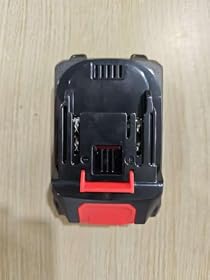
A battery trimmer avoids a trailing cord and is often convenient for moving along a long hedge. Check the manufacturer’s runtime information for the type of work you plan to do; heavy, woody growth and frequent stops can affect how long a charge lasts.
For a long row, a second compatible battery may be more useful than choosing a heavier tool with more features. Verify that the battery, charger, and tool belong to the same system before buying replacements. Keep batteries away from excessive heat and use only the specified charger.
Gas-powered
Gas trimmers can be useful for demanding or remote work where charging and electrical access are difficult. They generally require more maintenance, fuel handling, and attention to starting and storage. For routine residential privet trimming, the added complexity may not be worthwhile unless the hedge is particularly large or the work area has no practical electrical option.
Product prices and availability are accurate as of the date/time indicated and are subject to change. Any price and availability information displayed on Amazon.com at the time of purchase will apply to the purchase of this product.
A sensible setup for a long privet row
Before trimming, inspect the hedge for wires, fencing, stones, thick branches, and hidden objects. Remove loose debris from the base and identify where the work area borders a walkway, driveway, or road.
For a straighter finish:
Trim the sides with the blade slightly angled so the hedge is narrower at the top than at the base.
Work in smooth passes instead of repeatedly stopping in one spot.
Cut the top in sections that you can reach without overextending.
Step back regularly to check the shape rather than relying only on a close-up view.
Stop and clear jammed material only after switching off the trimmer and following the manufacturer’s instructions for making it safe.
Avoid removing more than the hedge can reasonably recover from in one session. If the privet has become substantially overgrown, use appropriate pruning tools for major branches and plan for staged reduction rather than trying to make the hedge uniform with the trimmer alone.
Product prices and availability are accurate as of the date/time indicated and are subject to change. Any price and availability information displayed on Amazon.com at the time of purchase will apply to the purchase of this product.
Blade care and storage
A clean, sharp blade cuts more consistently and is less likely to drag through the foliage. After the trimmer is switched off, disconnected from power, and made safe according to the manual, remove plant residue with a suitable brush or cloth. Do not put your fingers between the teeth.
Apply blade lubricant only if specified by the manufacturer, and use the recommended type and method. A blade sheath helps protect the cutting teeth during storage and reduces the chance of accidental contact. Store the tool dry, with the battery removed where applicable and the cord or fuel system handled according to the instructions.
A dull, bent, cracked, or badly worn blade should not be kept in service. Replace it with the correct part for the exact trimmer, or have the tool inspected if the blade is damaged or the drive mechanism is affected.
Product prices and availability are accurate as of the date/time indicated and are subject to change. Any price and availability information displayed on Amazon.com at the time of purchase will apply to the purchase of this product.
When a different trimmer is a better choice
A dual-blade handheld trimmer may not be the best fit if:
The hedge is too high to reach safely from the ground
The branches regularly exceed the tool’s cutting capacity
The row is so long that the battery runtime is impractical
You need to cut dense, neglected growth rather than maintain fresh shoots
The tool becomes difficult to control because of its length or weight
A pole trimmer can improve reach, while hand pruners or loppers can deal with occasional thick stems. For extensive, high, or difficult-to-access hedges, a qualified landscaper may be the safer option. Always wear the protective equipment specified by the manufacturer, including eye protection, hearing protection where required, sturdy footwear, and gloves that do not interfere with the controls.
Product prices and availability are accurate as of the date/time indicated and are subject to change. Any price and availability information displayed on Amazon.com at the time of purchase will apply to the purchase of this product.
FAQ
Is a dual-blade trimmer good for a long privet hedge?
Yes, especially when the hedge is regularly maintained and the trimmer has suitable blade length, cutting capacity, and battery runtime or cord access. Dual blades allow cutting on either side of the blade during long passes.
What blade length is best for a long privet row?
Choose a blade long enough to cover the hedge efficiently but light and balanced enough to control comfortably. A longer blade can speed up straight sections, while a shorter one is usually easier around corners and detailed shaping.
Can a hedge trimmer cut thick privet branches?
Only within the manufacturer’s stated cutting capacity. Remove occasional thick or woody branches with an appropriate pruning tool instead of forcing the hedge trimmer through them.
Is a battery hedge trimmer suitable for a long hedge?
It can be, provided the stated runtime matches the job and the tool remains comfortable to use. A spare compatible battery may be useful for a long row, but confirm compatibility with the exact trimmer system.